The 2010s didn't just change how we ate—they changed how we thought about eating. This was the decade when meals became content, when food trucks became cultural phenomena, and when "pics or it didn't happen" became the unofficial motto of dining out. Hollywood movies captured this transformation, showing us a world where the perfect dish wasn't just about taste—it was about the perfect shot.
Food Truck Dreams: Chef (2014)
Jon Favreau's Chef perfectly captured the 2010s food truck revolution and the power of social media to launch culinary careers. When Chef Carl Casper (Favreau) gets fired and starts a food truck, he discovers that Twitter followers can translate into real customers, and that authentic, quality food can build a brand faster than traditional marketing ever could.

The movie showed how the 2010s democratized food entrepreneurship. You didn't need a restaurant anymore—you needed a truck, great food, and social media savvy. The film made food truck culture look both accessible and romantically appealing, inspiring countless entrepreneurs to hit the road with their culinary dreams.
Build Your Food Truck Dream:
- Portable Cooking: A professional portable griddle for outdoor cooking.
- Social Media Ready: A phone ring light setup for perfect food photos.
- Learn the Business: Food truck business guides for entrepreneurs.
Instagram vs. Tradition: The Hundred-Foot Journey (2014)
This cross-cultural culinary tale touched on the 2010s tension between social media fame and culinary tradition. While the young chef Hassan masters both Indian and French techniques, the film showed how modern success required both exceptional skill AND the ability to create buzz-worthy, shareable moments. Michelin stars met Instagram hearts.
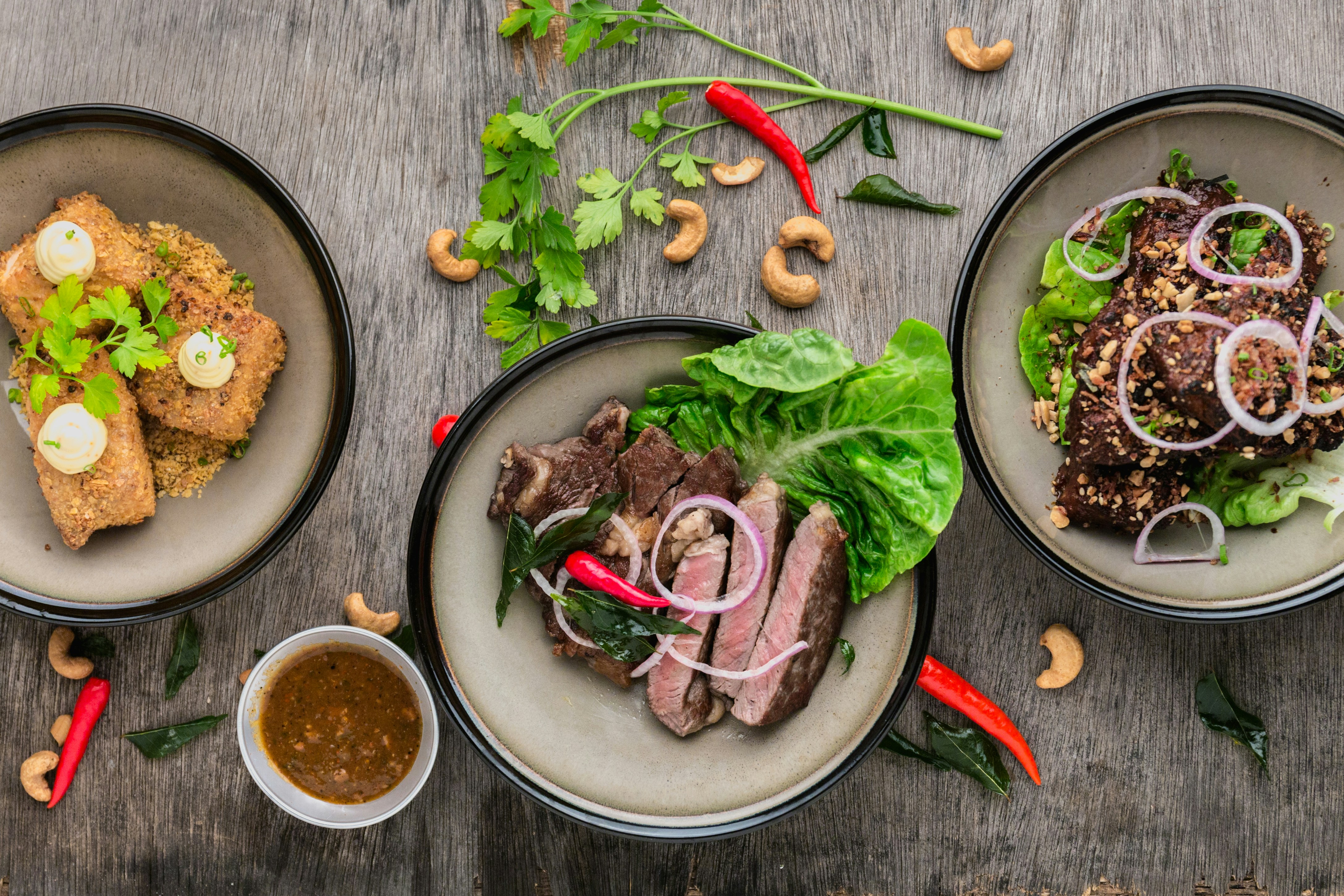
The movie captured how the 2010s food world balanced respect for tradition with the demands of modern food media. Chefs needed to honor culinary heritage while creating dishes that looked as good as they tasted—because in the smartphone era, every meal was potentially viral content.
Master Food Photography:
- Perfect Lighting: A softbox lighting kit for professional-looking shots.
- Beautiful Backgrounds: Marble photography boards for Instagram-worthy shots.
- Plating Perfection: Professional plating tools for restaurant-quality presentation.
Fine Dining Performance Art: The Menu (2022)
While technically released in 2022, The Menu perfectly satirized the 2010s obsession with exclusive dining experiences and food as performance art. The film showed how fine dining had become theater, where the experience was as carefully curated as the food, and where social media bragging rights were often more important than actual enjoyment.
The movie brilliantly critiqued how the 2010s turned dining into content creation. Every course was designed to be photographed, every element had a story, and the entire experience was crafted for social media shareability. It showed both the creativity and the pretension of food-as-performance culture.
Create Fine Dining at Home:
- Restaurant Presentation: Professional dining plates for perfect presentation.
- Molecular Gastronomy: A molecular gastronomy kit for avant-garde techniques.
- Precision Cooking: Sous vide equipment for restaurant-quality results.
Celebrity Chef Culture: Burnt (2015)
Bradley Cooper's portrayal of a self-destructive celebrity chef captured the dark side of 2010s food celebrity culture. The film showed how social media fame, restaurant empires, and TV appearances had created a new kind of pressure for chefs—they weren't just cooking food, they were building brands and managing public personas.
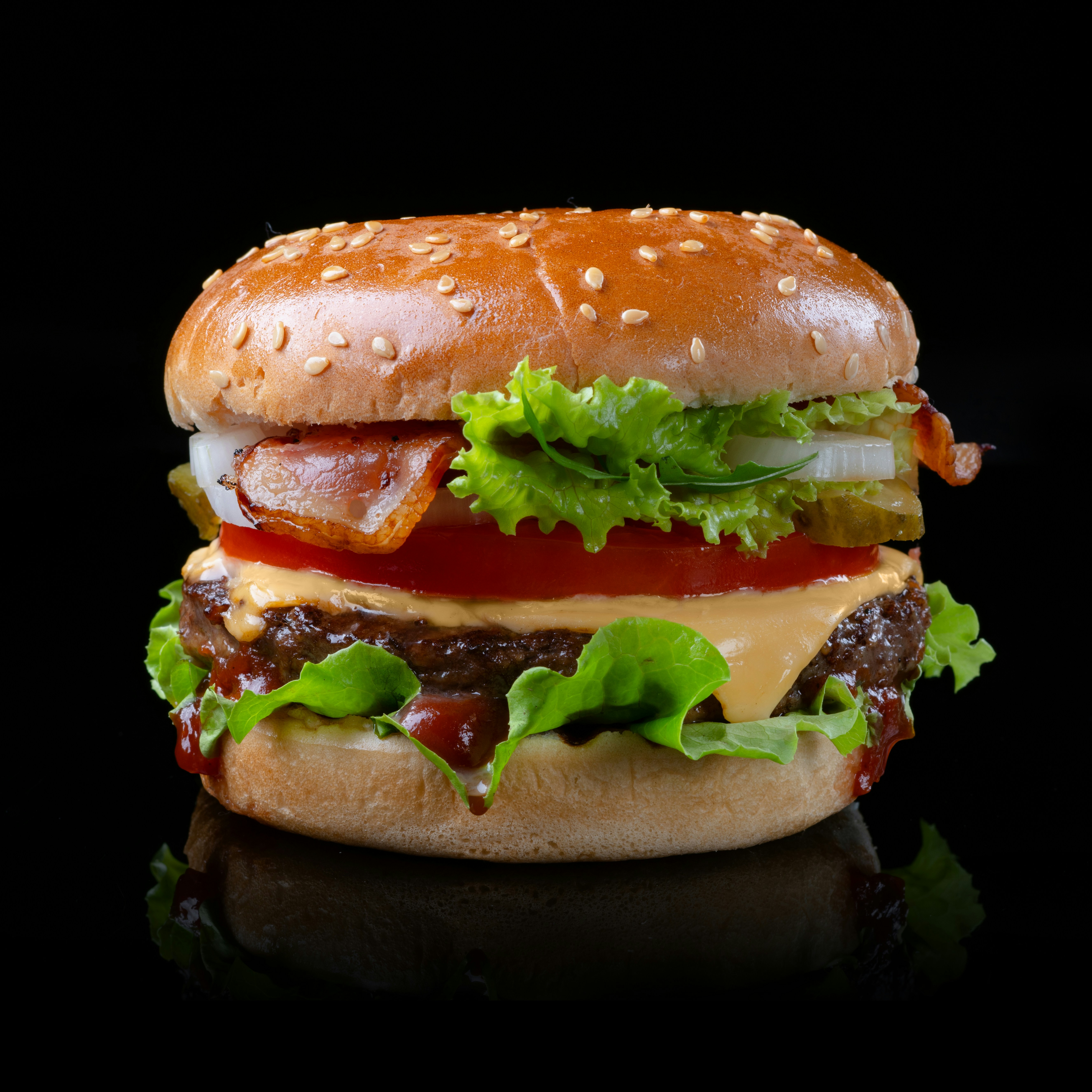
The movie explored how the 2010s had made chefs into celebrities, with all the fame and pressure that entailed. Success meant Michelin stars, Instagram followers, cookbook deals, and TV shows. The kitchen became just one part of a multimedia empire, and the pressure to maintain that empire could be crushing.
Professional Chef Equipment:
- Professional Knives: A Japanese knife set for precision work.
- Restaurant Quality: Commercial-grade cookware for serious cooking.
- Learn from the Best: Thomas Keller's cookbooks for Michelin-level techniques.
Fast Food Empire Building: The Founder (2016)
While telling the McDonald's origin story, The Founder resonated with 2010s audiences who understood how food businesses could scale rapidly through franchising, branding, and systematic replication. The film showed how the 2010s food world was all about scalable concepts, consistent branding, and turning food into repeatable experiences.
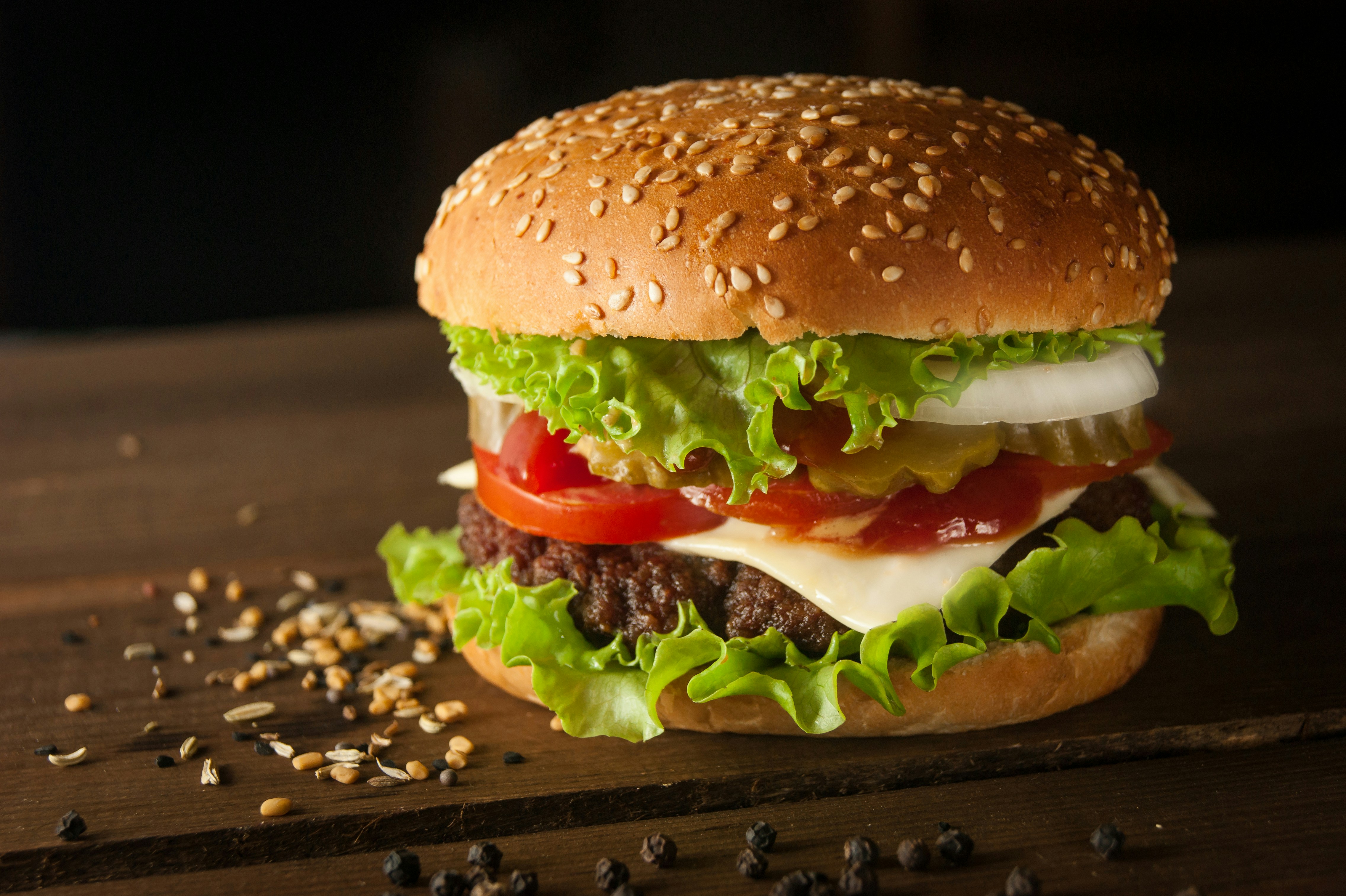
The movie's themes about efficiency, consistency, and brand building spoke directly to the 2010s food truck and fast-casual explosion. Every successful food concept needed to be replicable, Instagram-friendly, and capable of rapid expansion. The film showed that food success in the modern era was as much about systems as it was about flavor.
Build Your Food Brand:
- Perfect Burgers: A commercial-grade burger press for consistency.
- Scale Your Operation: A flat-top grill for high-volume cooking.
- Business Strategy: Restaurant business guides for scaling success.
The 2010s transformed food culture in ways that would have been unimaginable in previous decades. Movies from this era captured how social media, mobile technology, and viral culture changed not just how we ate, but how we thought about food, success, and sharing experiences.
These films showed us that in the smartphone era, every meal was potentially content, every dish needed to be photogenic, and every food business needed to understand that taste was just one ingredient in a much more complex recipe for success. The 2010s made food democratic, visual, and endlessly shareable—and cinema was there to document every delicious click.
Your 2010s Food Photo Memory?
What was your first Instagram food photo? Did you wait in line for a trendy food truck? Share your 2010s digital dining stories!