The Pursuit of Culinary Perfection
Bradley Cooper's Adam Jones pushes his team to the breaking point in pursuit of a third Michelin star, showing the obsessive madness behind restaurant perfection.
This page contains affiliate links. If you purchase through these links, we may earn a commission at no extra cost to you. Learn more.
Culinary Cinema Editor
When Excellence Becomes Obsession
"Burnt" throws viewers into the pressure-cooker world of Michelin-starred kitchens, where perfectionism isn't just encouraged—it's demanded. Bradley Cooper's Adam Jones embodies the manic intensity of a chef who sees cooking not as a craft, but as an art form that demands complete sacrifice.
The Theater of Fine Dining
The kitchen in "Burnt" operates like a military operation crossed with a symphony orchestra. Every movement is choreographed, every timing crucial. When Jones shouts "Yes, Chef!" echoing through his London kitchen, you feel the military precision that separates good restaurants from great ones. This isn't cooking—it's performance art with knives.
Molecular Gastronomy Meets Raw Passion
The film showcases modern techniques that blur the line between chemistry and cooking. Spherification, liquid nitrogen, precision temperature control—these aren't gimmicks but tools in service of an obsessive vision. Yet underneath all the molecular wizardry beats the heart of classical technique. Jones may use modernist methods, but his foundation is rock-solid French fundamentals.
The Cost of Perfection
What makes Jones both compelling and terrifying is his willingness to destroy relationships in pursuit of culinary perfection. He tastes a sauce and immediately knows it's off by a fraction—not because it tastes bad, but because it's not perfect. This level of perfectionism is what creates legendary restaurants, but it's also what destroys the people who work in them.
Brigade Culture Under Pressure
The kitchen brigade system—with its rigid hierarchy and military-style discipline—comes alive in "Burnt." Sous chefs, line cooks, prep cooks all know their place and their role. When Jones pushes his team to their limits, we see both the beauty and brutality of this system. Great food requires great teamwork, but it can also demand inhuman sacrifice.
The Art of Plating
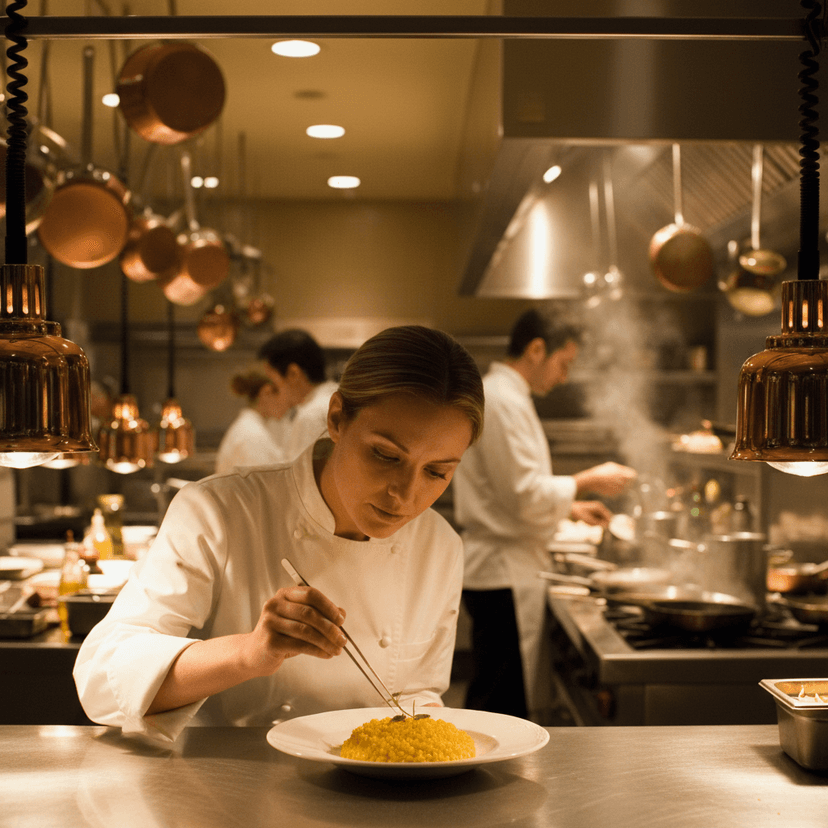
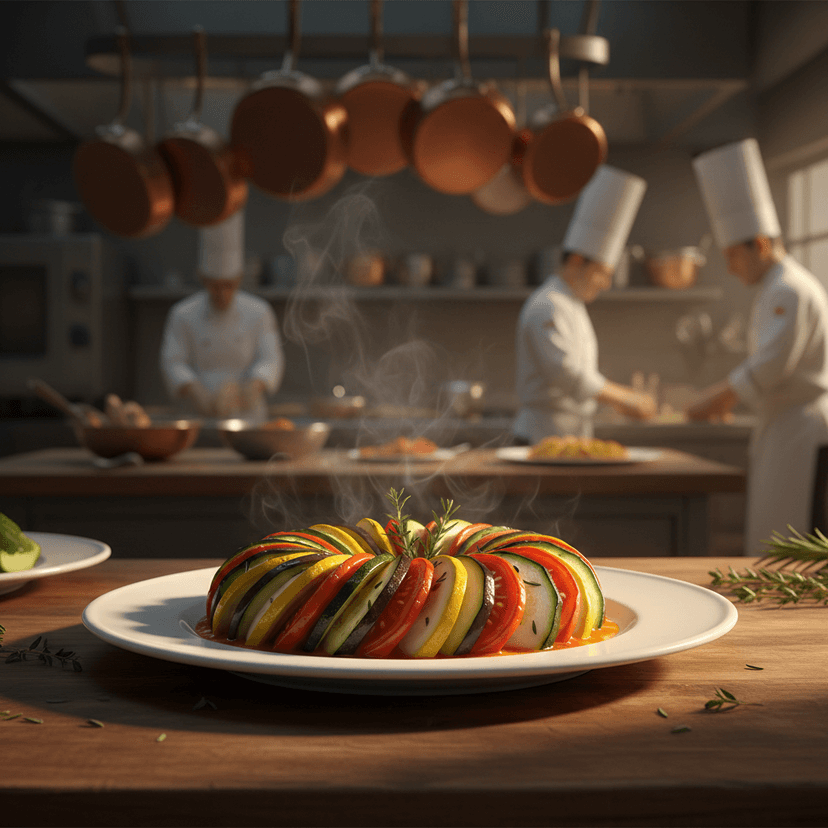
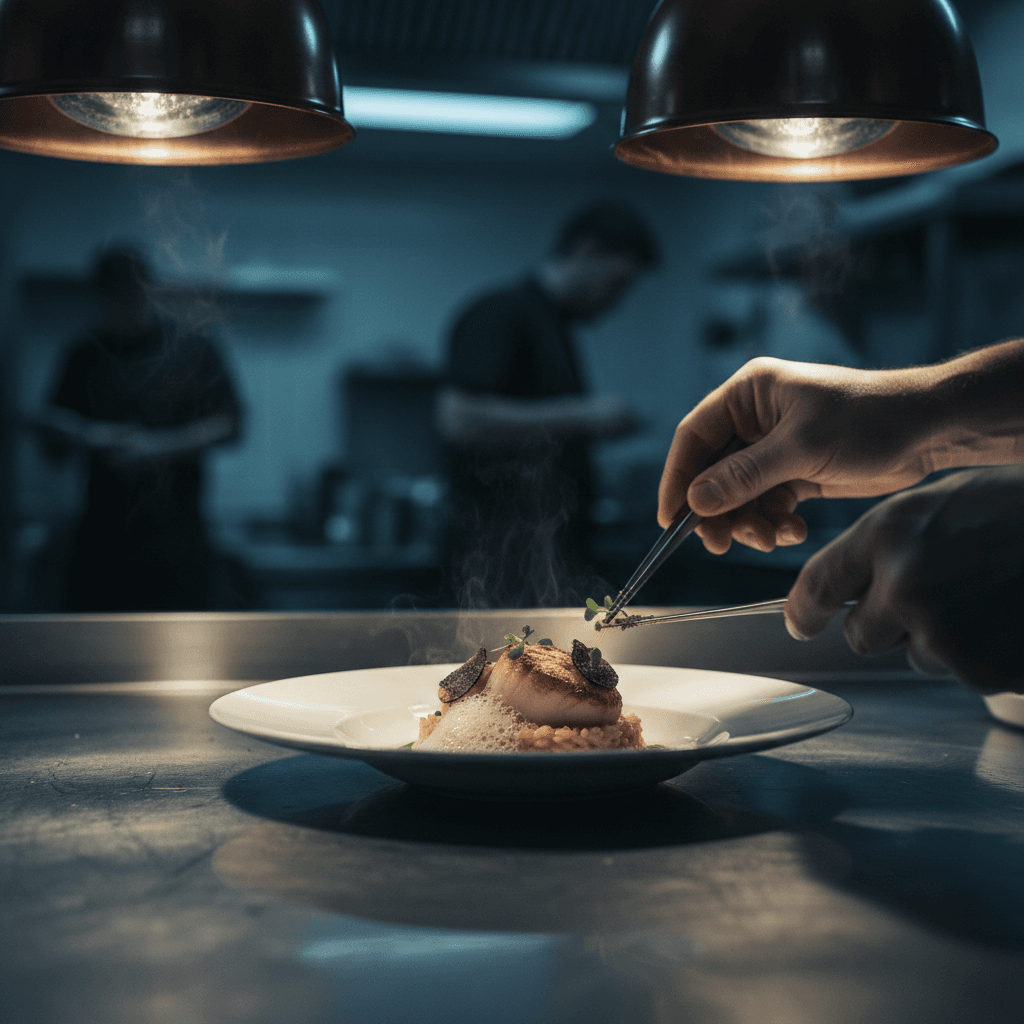
Every dish that leaves Jones's kitchen looks like a sculpture. The precision in plating—dots of sauce placed with mathematical accuracy, microgreens positioned like tiny works of art—shows how fine dining has evolved into visual storytelling. Each plate tells a story, and every element serves both aesthetic and gustatory purposes.
Michelin Star Madness
The pursuit of that third Michelin star drives Jones to increasingly erratic behavior. The film captures the unique pressure that comes with Michelin recognition—how a single star can make a career, and how the loss of one can destroy it. These aren't just restaurant reviews; they're career death sentences or resurrection stories.
The Breaking Point
The most powerful moments in "Burnt" come when perfection collides with human limitation. Jones's team reaches their breaking point not because they lack skill, but because human beings can only sustain that level of intensity for so long. The film asks hard questions about whether culinary excellence justifies emotional abuse.
Modern Kitchen Technology
The kitchen in "Burnt" showcases cutting-edge equipment that most home cooks never see. Immersion circulators for sous vide cooking, precision scales that measure to the gram, temperature probes that ensure exact doneness. This technology doesn't replace skill—it amplifies it, allowing chefs to achieve consistency that was impossible in previous generations.
Recreate at Home (Start Simple)
Fine dining techniques aren't just for professionals. Here's how to bring some precision to your home kitchen:
- Invest in a kitchen scale - Precision matters, and volume measurements are inexact
- Learn basic knife skills - Uniform cuts aren't just pretty, they cook evenly
- Temperature control - Use a thermometer to nail protein doneness every time
- Taste constantly - Season in layers, building flavor gradually
- Presentation matters - Take an extra minute to plate thoughtfully
The key is starting with solid technique and building from there. You don't need liquid nitrogen to make great food—you need patience, practice, and attention to detail.
The Price of Excellence
"Burnt" ultimately asks whether the pursuit of perfection is worth the human cost. Jones achieves his culinary dreams, but nearly destroys himself and everyone around him in the process. The film doesn't provide easy answers, but it captures the intoxicating allure of creating something truly extraordinary.
In the end, the best chefs aren't just technically proficient—they're artists who understand that food can touch people's souls. That level of artistry requires obsession, and obsession always comes with a price. "Burnt" shows us both the glory and the cost of that pursuit.
The question isn't whether you can cook at this level—it's whether you're willing to sacrifice everything else to try.