Recreating Iconic Movie Recipes: From Screen to Kitchen
Master the art of making famous movie foods at home with detailed recipes and techniques straight from cinema's most memorable meals.
This page contains affiliate links. If you purchase through these links, we may earn a commission at no extra cost to you. Learn more.
Culinary Cinema Editor
Recreating Iconic Movie Recipes: From Screen to Kitchen
Movie magic extends beyond special effects and stellar performances—some of the most unforgettable moments happen around food. From Remy's stunning ratatouille that silences harsh critics to the perfect prison sauce that Henry Hill lovingly describes in Goodfellas, these culinary moments stay with us long after the credits roll. But here's the thing: you don't need a film budget or professional kitchen to recreate these iconic dishes at home.
I've spent countless hours researching, testing, and perfecting recipes inspired by cinema's greatest food moments. Some attempts failed spectacularly (my first try at Julia Child's boeuf bourguignon was practically inedible), while others surprised me with their simplicity. The truth is, most movie foods work precisely because they're grounded in authentic cooking traditions, not Hollywood fantasy.
The Art of Cinematic Cooking
Food stylists and culinary consultants work behind the scenes to create dishes that not only taste incredible but also tell stories. Take Pixar's Ratatouille—the animated ratatouille that wins over Anton Ego isn't just pretty to look at; it's based on Thomas Keller's interpretation of the classic French dish, elevated from peasant food to fine dining presentation.
What makes movie recipes special isn't complexity—it's intention. Every ingredient serves a purpose, whether advancing the plot, revealing character, or creating emotional resonance. This purposefulness actually makes them excellent choices for home cooking because they're designed to create strong reactions and memories.
Understanding the Source Material
Before diving into specific recipes, it's worth noting that movie food falls into several categories. Some dishes are completely authentic (like the pasta scenes in Goodfellas, which were based on real family recipes), while others are artistic interpretations of traditional foods. A few are pure fiction but still achievable in your kitchen.
The key is identifying which category you're dealing with and adjusting your expectations accordingly. The chocolate river in Charlie and the Chocolate Factory might not be practical for your dining room, but Willy Wonka's chocolate cake is absolutely doable.
Classic French: Ratatouille's Confit Byaldi
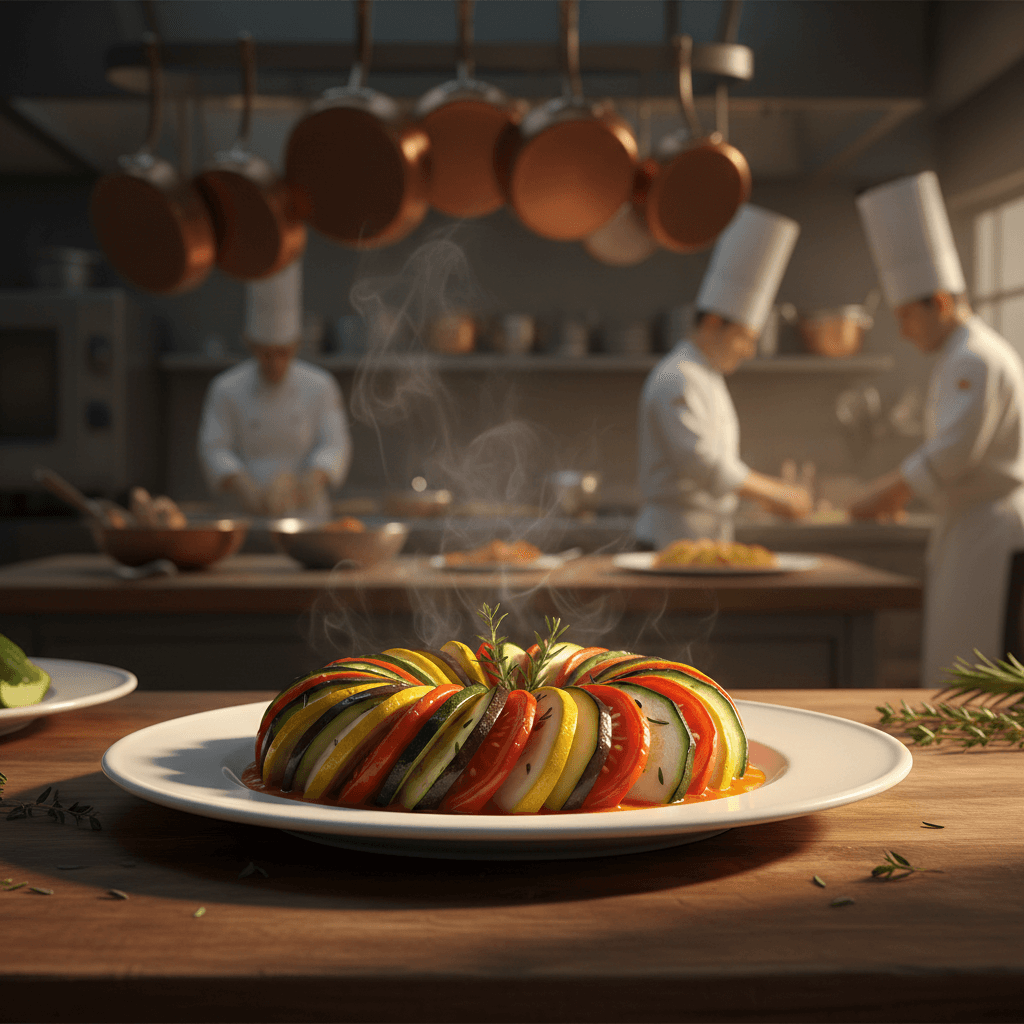
Let's start with perhaps the most famous animated food in cinema history. The ratatouille that saves the restaurant in Pixar's film isn't traditional ratatouille at all—it's Thomas Keller's confit byaldi, a refined interpretation that looks stunning and tastes even better.
What You'll Need:
For the base sauce:
- 2 red bell peppers, chopped
- 2 yellow bell peppers, chopped
- 1 large eggplant (half diced, half sliced)
- 4 tomatoes (2 diced, 2 sliced)
- 2 zucchini (1 diced, 1 sliced)
- 2 yellow squash (1 diced, 1 sliced)
- 1 large onion, minced
- 4 cloves garlic, minced
- Fresh thyme and basil
- Olive oil, salt, and pepper
The Process:
The magic happens in two stages. First, create a robust vegetable base by sautéing your diced vegetables with herbs until they're deeply caramelized and concentrated. This becomes your flavor foundation.
Then comes the visual spectacle: arranging paper-thin slices of eggplant, zucchini, yellow squash, and tomatoes in overlapping circles over your base. The pattern is meditative to create and stunning to serve.
Bake at 375°F for about 40 minutes, covered, then uncover for the final 20 minutes to concentrate the flavors. The result looks like art but tastes like home—exactly what makes this dish so powerful in the film.
Pro tip: Invest in a sharp mandoline or use your most precise knife skills. The thin, uniform slices aren't just for aesthetics—they ensure even cooking and that perfect fork-tender texture that melts in your mouth.
Why It Works:
This dish succeeds because it balances rustic French tradition with refined technique. The flavors are familiar and comforting (that's why it triggers Ego's childhood memory), but the presentation elevates it beyond everyday cooking. It's achievable for home cooks but impressive enough for special occasions.
Italian-American Comfort: Goodfellas Prison Sauce
Henry Hill's prison cooking scene might be brief, but his description of the perfect tomato sauce has inspired home cooks for decades. This isn't fancy cuisine—it's the kind of food that builds families and communities, made with care and time rather than expensive ingredients.
The Philosophy:
Real Italian-American sauce isn't about following precise measurements; it's about understanding ratios, tasting constantly, and building layers of flavor. The prison scene works dramatically because it shows cooking as an act of love and normalcy in an abnormal situation.
Essential Components:
Start with quality San Marzano tomatoes—either canned (which many Italian grandmothers prefer) or fresh if they're in season. The difference in acidity and sweetness is immediately apparent.
Base ingredients:
- 28 oz can San Marzano tomatoes, hand-crushed
- 6 cloves garlic, sliced paper-thin
- Extra virgin olive oil
- Fresh basil leaves
- Salt and freshly cracked black pepper
- Optional: pancetta or guanciale for depth
The Technique:
Heat olive oil gently and add those razor-thin garlic slices. This is where patience pays off—cook them slowly until they're golden but not brown. Burned garlic will bitter your entire sauce.
Add your hand-crushed tomatoes (crushing by hand gives better texture than machine chopping) and season lightly. Here's the crucial part: let it simmer for at least two hours, stirring occasionally and tasting frequently.
The sauce is done when it's thick enough to coat pasta without being heavy, and when the raw tomato flavor has mellowed into something rich and complex. Add fresh basil only in the last few minutes to preserve its brightness.
The Real Secret:
What Henry doesn't mention in the film but every good Italian cook knows: save some pasta cooking water. That starchy, salty water helps bind sauce to pasta in a way that creates silky, restaurant-quality results at home.
Amazon recommendations: A good San Marzano tomato source makes all the difference. Look for DOP certification to ensure authenticity.
American Classic: Big Night's Timpano
The timpano from Big Night represents perhaps the most ambitious single dish in movie history. This towering pasta dome requires technique, timing, and courage, but the payoff is a meal that could save a restaurant—or at least create an unforgettable dinner party.
Understanding Timpano:
Traditional timpano is essentially a pasta casserole enclosed in pastry or pasta sheets, layered with meats, cheeses, eggs, and sauce. The version in Big Night includes meatballs, hard-boiled eggs, salami, and various pastas, all bound together in a stunning presentation.
The Components:
For the pasta shell:
- 2 pounds fresh pasta sheets (or dry lasagna sheets)
- Butter for the mold
For the filling:
- 1 pound mixed pasta (rigatoni, shells, whatever you prefer)
- Homemade meatballs
- Hard-boiled eggs, sliced
- Salami and prosciutto, diced
- Fresh mozzarella, cubed
- Parmesan cheese, grated
- Marinara sauce
- Italian sausage, cooked and sliced
Assembly Strategy:
This isn't weeknight cooking—plan for a full day project. Cook all your components separately first: pasta al dente, meatballs browned and finished in sauce, eggs perfectly hard-boiled and peeled.
Line a large bowl or dome mold with pasta sheets, leaving overhang. Layer your components thoughtfully, alternating pasta, meat, cheese, and sauce. The goal is every slice containing multiple elements without any single flavor dominating.
Fold the overhanging pasta over the top, seal with beaten egg, and bake until the outside is golden and the inside is hot throughout—about 45 minutes at 350°F.
The Moment of Truth:
Unmolding timpano requires confidence. Let it rest for 15 minutes after baking, then place your serving plate over the mold and flip quickly. The reveal—whether successful or catastrophic—is part of the experience.
Honest assessment: This dish demands respect and preparation. I've made it successfully twice and had one spectacular failure. But even the failure tasted incredible, just looked like pasta explosion art.
Modern American: Chef's Perfect Pasta Aglio e Olio
Sometimes the most impactful movie food is also the simplest. In Chef, when Jon Favreau's character makes pasta aglio e olio for Scarlett Johansson's character, the dish becomes a meditation on getting back to cooking basics and finding joy in simple, perfect execution.
Why This Scene Works:
Aglio e olio (garlic and oil) represents cooking at its most fundamental. There are maybe five ingredients, but every single one matters. It's the kind of dish that separates good cooks from great ones because there's nowhere to hide.
The Method:
Ingredients (serves 2):
- 8 oz high-quality spaghetti or linguine
- 6 cloves garlic, sliced thin
- 1/2 cup extra virgin olive oil
- Red pepper flakes to taste
- Fresh parsley, chopped
- Parmigiano-Reggiano, grated
- Pasta cooking water
Execution:
Start your pasta water—properly salted, it should taste like mild seawater. While waiting for it to boil, prepare your mise en place. Everything happens quickly once you start.
Heat olive oil in a large pan over medium-low heat. Add garlic slices and cook until fragrant and just starting to color—about 2-3 minutes. Add red pepper flakes.
When pasta is almost al dente (about a minute before package directions), add it directly to the pan with a generous splash of pasta water. Toss aggressively, adding more pasta water as needed to create a silky emulsion.
Remove from heat, add parsley and cheese, toss again. The result should be glossy, aromatic, and perfectly balanced between oil and starch.
What Makes It Special:
This dish succeeds because every element is optimized. The pasta water isn't just cooking liquid—it's a crucial ingredient. The timing creates emulsion rather than oily pasta. The simplicity demands perfect ingredients and technique.
Equipment note: A proper pasta fork or tongs makes the tossing much easier. This pasta fork set includes everything you need for authentic Italian pasta preparation.
Beyond the Recipe: Creating Food Memories
What these movie recipes teach us extends beyond cooking techniques. They demonstrate how food creates emotional connections, tells stories, and brings people together. The reason we remember these dishes isn't just because they look appealing on screen—it's because they represent something deeper about human experience.
Making timpano isn't just about following a recipe; it's about embracing the risk and celebration that comes with ambitious cooking. Perfecting aglio e olio isn't just about technique; it's about finding satisfaction in simple excellence.
Adapting for Your Kitchen:
Not every home cook has access to San Marzano tomatoes or time for three-hour sauce simmering. That's fine. The spirit of these dishes matters more than perfect authenticity. Use the best ingredients you can find, take time with techniques that matter, and don't stress about elements that don't significantly impact the final result.
Building Your Movie Food Library:
Start with dishes that appeal to you personally, not what looks most impressive. Master the techniques rather than just following recipes blindly. Understand why each step matters, and you'll be able to adapt and improvise confidently.
Worth the investment: A good Italian cookbook like Marcella Hazan's classics provides foundational techniques that improve all your cooking, not just movie recipe recreations.
The Downside of Movie-Inspired Cooking
Let's be honest about the challenges. Movie food is designed to look perfect under studio lighting with professional stylists. Your home version might not photograph as beautifully, and that's completely normal.
Some dishes require techniques or ingredients that are genuinely difficult for home cooks. The timpano failure I mentioned earlier happened because I rushed the pasta shell preparation—the result was structurally unsound no matter how good the filling tasted.
Time is another factor. These aren't weeknight dinners. Plan accordingly and don't attempt complex dishes when you're stressed or pressed for time.
Making It Your Own
The best movie-inspired meals happen when you understand the dish's purpose in the film and adapt it for your own story. Maybe your ratatouille becomes a celebration of garden vegetables rather than a critic-silencing masterpiece. Maybe your aglio e olio becomes a late-night comfort food rather than a seduction technique.
Food is personal, and these recipes work best when they become part of your own cooking repertoire rather than perfect reproductions of screen moments. Take the inspiration, master the techniques, and create your own delicious memories.
What movie dish will you tackle first? The meditative process of creating ratatouille, the comfort of perfect tomato sauce, or the adventure of timpano? Whatever you choose, approach it with curiosity rather than perfection as your goal.