Recreate 8 Iconic Movie Dishes in Your Home Kitchen
Master the art of bringing legendary cinematic meals to your table with detailed recipes and behind-the-scenes cooking secrets from Hollywood's most memorable food scenes.
This page contains affiliate links. If you purchase through these links, we may earn a commission at no extra cost to you. Learn more.
Culinary Cinema Editor
Recreate 8 Iconic Movie Dishes in Your Home Kitchen
Ever watched a movie and found yourself craving the dishes on screen? You're not alone. Some cinematic meals have become as famous as the movies themselves, inspiring home cooks worldwide to recreate these legendary dishes. From the perfect ratatouille that moved even the toughest food critic to tears, to the simple yet soul-satisfying pasta that brought an entire Italian-American family together, these recipes carry the power of storytelling right into your kitchen.
The beauty of movie food lies not just in its visual appeal, but in how it serves the narrative. Each dish tells a story, represents a character's journey, or captures a moment of pure human connection. When you recreate these dishes at home, you're not just cooking—you're participating in cinematic history.
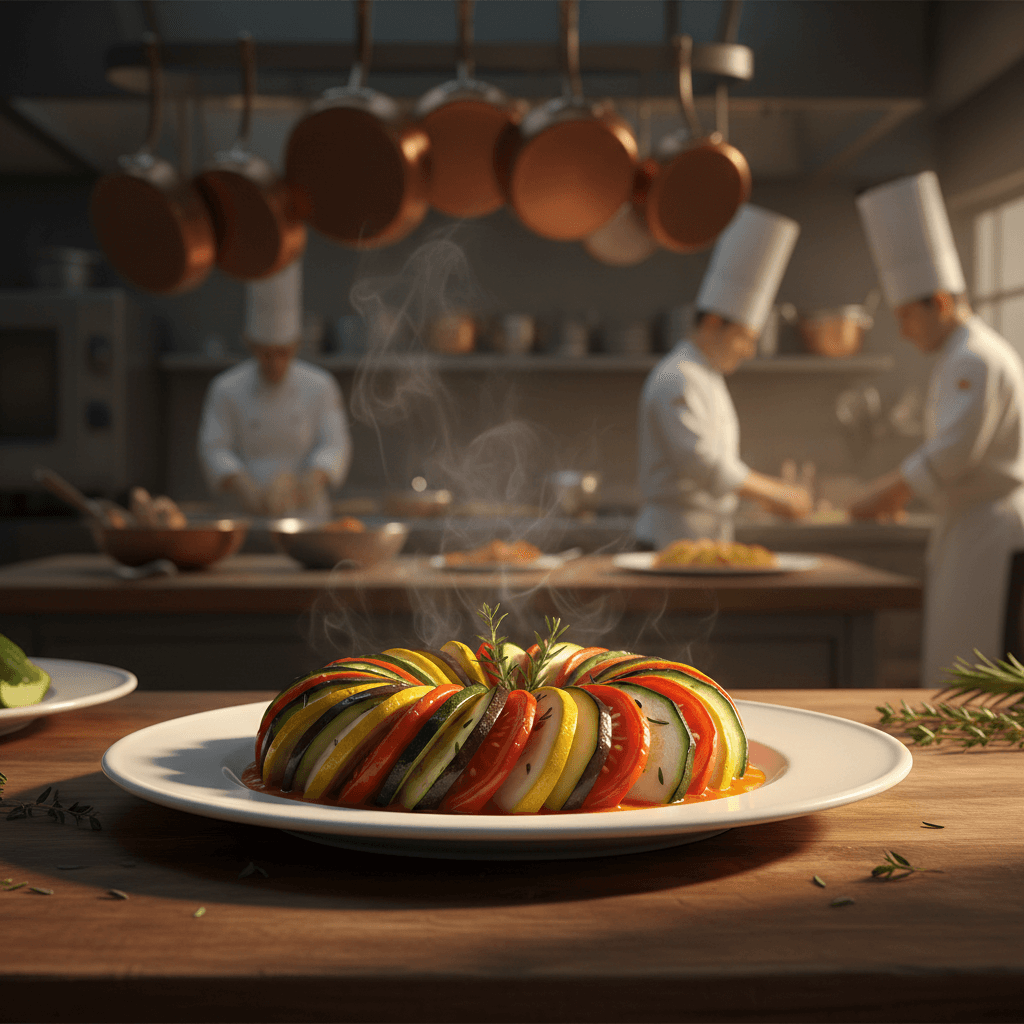
1. Ratatouille's Confit Byaldi (Ratatouille, 2007)
The dish that made food critic Anton Ego weep with childhood memories isn't traditional ratatouille at all. Chef Thomas Keller created this elegant interpretation specifically for the film, transforming the rustic French stew into a work of art.
The Movie Magic
In Pixar's masterpiece, this precise, colorful arrangement represents Remy's evolution from scavenging rat to culinary artist. The visual impact mirrors the emotional impact—both are designed to stop you in your tracks.
Your Home Kitchen Version
Ingredients:
- 2 bell peppers (red and yellow)
- 2 small eggplants
- 6 Roma tomatoes
- 2 small yellow squash
- 2 small zucchini
- 1/3 cup olive oil
- 1 onion, diced
- 4 cloves garlic, minced
- 1 can crushed tomatoes
- 2 tablespoons fresh basil
- 1 tablespoon fresh thyme
- Salt and black pepper
The Base Sauce: Heat 2 tablespoons olive oil in a 12-inch oven-safe pan. Sauté onions until translucent, add garlic and cook 30 seconds more. Add crushed tomatoes, salt, and pepper. Simmer 10 minutes until thick. This isn't just any tomato sauce—it's the foundation that anchors all the flavors above.
The Vegetable Arrangement: Slice all vegetables into 1/8-inch rounds using a mandoline (worth the investment for consistent results). Arrange in alternating, overlapping pattern over the sauce. The visual pattern matters here; it's what transforms simple vegetables into cinema.
Drizzle with remaining olive oil, season with herbs, salt, and pepper. Cover with foil and bake at 375°F for 40 minutes. Remove foil and bake 20 minutes more until vegetables are tender.
Pro Tip: The difference between good and great ratatouille is in the knife work. Even, thin slices create the visual impact that made this dish famous. Take your time—meditation through mandoline.
2. Goodfellas Prison Marinara (Goodfellas, 1990)
"I'm gonna go get the papers, get the papers." But first, let's talk about that sauce. The prison cooking scene in Goodfellas shows how food becomes comfort, community, and a connection to the outside world even behind bars.
The Movie Context
Henry Hill's narrative describes the almost obscene luxury of cooking real food in prison, using contraband ingredients to create something that transcends their circumstances. The sauce isn't just sustenance—it's rebellion, creativity, and identity.
Your Version
Ingredients:
- 2 cans (28 oz each) whole San Marzano tomatoes
- 1/2 cup olive oil
- 8 cloves garlic, sliced thin
- 1 large onion, diced
- 1/4 cup fresh basil
- 2 tablespoons fresh oregano
- 1 teaspoon crushed red pepper
- Salt and black pepper
- 1/4 cup red wine (optional, but recommended)
Heat olive oil in a large, heavy pot. Add sliced garlic and cook until golden—not brown, which turns bitter. Add onions and cook until soft and sweet, about 8 minutes. The key here is patience; rushing this step ruins everything that follows.
Crush tomatoes by hand as you add them to the pot. This creates better texture than machine-crushed. Add herbs, seasonings, and wine. Simmer uncovered for 45 minutes, stirring occasionally.
The Real Secret: Time and good ingredients. This isn't a weeknight sauce; it's a Sunday sauce that deserves attention. The guys in Goodfellas had nothing but time, and that's part of what made their food so good.
3. Big Kahuna Burger Recreation (Pulp Fiction, 1994)
While we never see the actual burger in Pulp Fiction, Jules's enthusiastic endorsement made it legendary. Here's how to build a burger worthy of Samuel L. Jackson's approval.
Your Big Kahuna
For the Patty:
- 1/3 lb ground beef (80/20 blend)
- Salt and freshly ground pepper
- Smoked paprika
- Garlic powder
The Build:
- Brioche bun, toasted
- Pineapple ring, grilled
- Teriyaki sauce
- Swiss cheese
- Butter lettuce
- Red onion, thin sliced
- Tomato, thick slice
Form patty gently—overworking makes tough burgers. Season generously just before cooking. Cook on high heat for 3-4 minutes per side for medium-rare. The char matters; it's what separates amateur from professional.
Grill pineapple ring until caramelized. Assemble: bottom bun, teriyaki sauce, lettuce, patty, cheese (melted), pineapple, onion, tomato, more teriyaki, top bun.
Why It Works: The sweet-savory combination hits multiple taste receptors simultaneously. The pineapple's acidity cuts through the beef's richness, while the teriyaki adds umami depth.
4. Tampopo Perfect Ramen (Tampopo, 1985)
This Japanese "noodle western" treats ramen preparation with the reverence usually reserved for sacred rituals. The film's detailed attention to every element—from broth to noodles to toppings—shows why ramen is considered high art.
The Broth Foundation
Ingredients:
- 2 lbs pork shoulder bones
- 1 lb chicken bones
- 1 large onion, halved
- 6 cloves garlic
- 2-inch piece ginger, sliced
- 2 tablespoons white miso
- 1 tablespoon soy sauce
- 1 teaspoon sesame oil
Roast bones at 400°F for 30 minutes. Transfer to large pot, cover with water, bring to boil. Skim foam aggressively for first 15 minutes. Add aromatics, reduce to gentle simmer, cook 8-12 hours. The longer cooking extracts collagen, creating the rich, cloudy tonkotsu-style broth that coats noodles properly.
Assembly Is Everything: Cook fresh ramen noodles in separate pot. Warm bowls (this matters more than you think). Add hot broth, nestle noodles, arrange toppings with precision: soft-boiled egg (6-minute timing, ice bath to stop cooking), chashu pork, green onions, nori, bamboo shoots.
The Tampopo Lesson: Technique trumps shortcuts every time. The film shows masters who spend decades perfecting single elements. Your home version won't achieve restaurant perfection overnight, but respecting the process makes the difference between mere sustenance and transcendent experience.
5. Julie & Julia's Boeuf Bourguignon (Julie & Julia, 2009)
Julia Child's boeuf bourguignon becomes Julie Powell's white whale—the recipe that nearly breaks her but ultimately transforms her cooking. This dish represents the difference between following recipes and understanding cooking.
The True French Method
Ingredients:
- 3 lbs beef chuck, cut in 2-inch cubes
- 6 slices thick-cut bacon, diced
- 1 bottle red burgundy wine
- 2 cups beef stock
- 2 tablespoons tomato paste
- 1 onion, quartered
- 2 carrots, chunked
- 1 bouquet garni (thyme, bay leaves, parsley)
- 1 lb pearl onions, peeled
- 1 lb mushrooms, quartered
- 3 tablespoons flour
- 3 tablespoons butter
Cook bacon until crispy, reserve fat. Dry beef completely (wet meat won't brown), season, brown in batches in bacon fat. Don't crowd the pan—this is where most home cooks fail. Each piece needs space to develop proper crust.
Return beef to pot, sprinkle with flour, toss. Add wine, stock, tomato paste, vegetables, and herbs. Bring to simmer, cover, braise in 325°F oven for 2.5 hours.
Julia's Wisdom: "The secret is patience and proper browning." The movie shows Julie's frustration with timing and technique. This isn't a recipe you rush; it's one that teaches you to cook.
6. Moonstruck Wedding Soup (Moonstruck, 1987)
In Moonstruck, food represents family, tradition, and the cyclical nature of love. The wedding soup scene shows how recipes carry emotional weight across generations.
Traditional Italian Wedding Soup
For the Meatballs:
- 1/2 lb ground beef
- 1/2 lb ground pork
- 1/2 lb ground veal
- 1 egg, beaten
- 1/2 cup breadcrumbs
- 1/4 cup parmesan, grated
- 2 cloves garlic, minced
- Salt and pepper
For the Soup:
- 8 cups chicken stock
- 1 cup acini de pepe pasta
- 2 eggs, beaten
- 1/4 cup parmesan
- 4 cups fresh spinach
- Salt, pepper, nutmeg
Mix meatball ingredients gently, form small balls, brown in olive oil. Set aside. In large pot, bring stock to simmer, add pasta, cook until almost tender. Add meatballs, simmer 10 minutes.
Create stracciatella by slowly drizzling beaten eggs into simmering soup while stirring. This creates the silky egg threads that give the soup texture. Add spinach in final minute.
The Moonstruck Message: This soup appears at moments of emotional transition in the film. It's comfort food that acknowledges life's complexity while providing simple nourishment.
7. Big Night's Timpano (Big Night, 1996)
The timpano in Big Night represents everything the brothers have invested in their restaurant—tradition, craftsmanship, hope, and the belief that food can change lives. It's the most labor-intensive dish on this list, but the payoff matches the investment.
The Pasta Dome
Ingredients:
- 2 lbs fresh pasta dough
- 1 lb ziti, cooked al dente
- 1 lb Italian sausage, crumbled and cooked
- 1 lb meatballs, small, cooked
- 4 hard-boiled eggs, quartered
- 1 lb mozzarella, cubed
- 1 cup parmesan, grated
- 4 cups marinara sauce
- Prosciutto, sliced thin
- Salami, diced
Roll pasta dough into large circle. Line large dome-shaped bowl (or deep pot) with dough, leaving overhang. Layer half the ziti, half the meats, half the cheeses, half the sauce. Repeat layers. Fold dough overhang over filling, seal edges.
Bake at 350°F for 45 minutes. Cool 10 minutes before unmolding. This requires faith—you can't peek during baking.
The Big Night Truth: This dish takes an entire day to prepare properly. The movie shows the brothers putting everything on the line for one perfect meal. Your timpano won't save a restaurant, but it will remind you why some foods are worth the effort.
8. Harry Potter Butterbeer (Harry Potter series)
While not technically a dish, butterbeer represents magical comfort food. The movies never give us the recipe, but the books describe it as "a little bit like less-sickly butterscotch."
Homemade Magical Version
Hot Butterbeer:
- 4 cups whole milk
- 1/2 cup heavy cream
- 1/4 cup butterscotch chips
- 2 tablespoons butter
- 1/4 teaspoon vanilla extract
- Pinch of salt
- Whipped cream for topping
Heat milk and cream gently, add butterscotch chips, whisk until melted. Add butter, vanilla, salt. Serve hot with whipped cream.
Cold Version: Add cream soda to cooled butterscotch base, serve over ice.
The Kitchen Equipment That Makes the Difference
To recreate these dishes successfully, certain tools make the process significantly easier:
- Cast Iron Dutch Oven (Amazon Prime): Essential for braising the boeuf bourguignon and building proper fond for sauces.
- Mandoline Slicer (Amazon Prime): Critical for the precise vegetable cuts in ratatouille.
- Digital Kitchen Scale (Amazon Prime): Movie recipes demand precision; volume measurements often fail.
Essential Cookbooks for Movie Food Enthusiasts
- "Unofficial Harry Potter Cookbook" (Amazon Prime): Expands on butterbeer and other magical meals.
- "Julia Child's Mastering the Art of French Cooking" (Amazon Prime): The actual book that inspired Julie & Julia.
The Real Secret Ingredient
After testing these recipes repeatedly, the pattern becomes clear: the best movie food recreations require the same thing that made the original scenes memorable—attention, care, and respect for the process. These dishes work in movies because they represent more than sustenance; they're symbols of love, tradition, artistry, and human connection.
The rushed weeknight version of boeuf bourguignon won't move you to tears like it did in Julie & Julia. But the version you spend a weekend perfecting, the one where you brown the meat properly and let the wine reduce until it's concentrated essence—that version carries the emotional weight the filmmakers intended.
Start with one recipe. Master the technique. Understand why each step matters. Then invite someone to share the meal. That's when you'll understand why these dishes became legendary—not just because they looked good on screen, but because they create the same kind of memorable moments in real life.
These recipes aren't just about recreating movie magic; they're about understanding why certain foods endure in our collective memory. They teach patience, technique, and the profound satisfaction of creating something meaningful with your hands.
When you finally taste that perfect spoonful of ratatouille or watch someone's eyes widen at their first sip of real butterbeer, you'll understand why these dishes transcended their fictional origins to become real-world obsessions. The magic was never in the movies—it was always in the cooking.