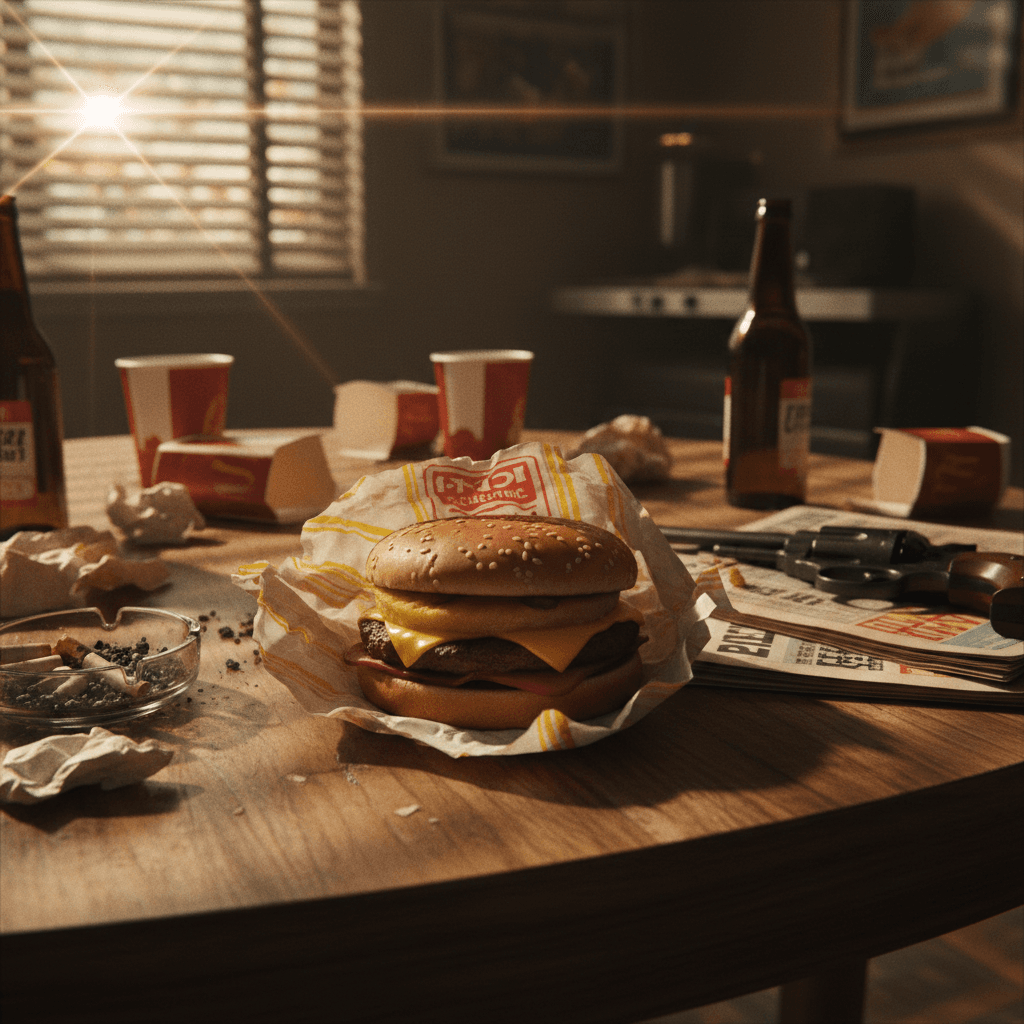
Dinner and Danger: How Thriller Films Use Food to Build Suspense
From poisoned wine to restaurant assassinations, discover how master filmmakers transform dining scenes into edge-of-your-seat tension.
This page contains affiliate links. If you purchase through these links, we may earn a commission at no extra cost to you. Learn more.
Culinary Cinema Editor
Dinner and Danger: How Thriller Films Use Food to Build Suspense
There's something uniquely unsettling about watching danger unfold during a meal. Perhaps it's because dining is such a fundamentally social, vulnerable act—we put down our guard when we break bread with others. Master filmmakers have long understood this psychology, using food scenes not just as plot devices, but as sophisticated tools for building suspense and revealing character. From poisoned chalices to restaurant assassinations, the dinner table has become one of cinema's most effective stages for psychological warfare.
The Vulnerability of the Shared Meal
When we eat with others, we engage in an ancient ritual of trust. We lower our defenses, engage in conversation, and literally nourish ourselves in the presence of others. This makes dining scenes perfect for thriller and suspense films—the contrast between the civilized act of eating and the threat of violence creates an almost unbearable tension.
The Godfather's Restaurant Revolution
Francis Ford Coppola's "The Godfather" features what might be cinema's most famous dangerous dining scene. When Michael Corleone meets Sollozzo and Captain McCluskey at Louis' Restaurant, the civilized veneer of a business dinner masks deadly intentions. The genius lies in the mundane details: the inquiry about the Italian food quality, the pouring of wine, the casual conversation in Italian. These normal restaurant interactions create cognitive dissonance—we know something terrible is about to happen, but everything appears so... normal.
This scene established a template that countless films have followed: use the social ritual of dining to lower the audience's guard before delivering shocking violence. The food becomes almost secondary to the psychological game being played.
Poison in the Wine Glass
The poisoned drink is perhaps the oldest dangerous food trope in storytelling, and cinema has embraced it wholeheartedly. From medieval-set dramas to modern spy thrillers, the threat of poison transforms every sip into a potential death sentence.
The Psychology of Paranoia
Films like "The Princess Bride" and numerous James Bond adventures have made the poisoned chalice a cultural touchstone. What makes these scenes so effective is how they transform drinking—one of our most basic needs—into an act of courage or foolishness. The audience becomes hyperaware of every glass raised, every wine poured.
Essential viewing for poisoned food scenes:
- "The Princess Bride" - The battle of wits with iocane powder
- "Notorious" (1946) - Hitchcock's slow-burning coffee cup poison plot
- "Casino Royale" (2006) - Bond's poisoned martini sequence
The Dinner Party from Hell
Thriller filmmakers love dinner parties because they offer the perfect closed-room setting where social tensions can explode. These scenes often feature elaborate meals that become increasingly uncomfortable as hidden motives are revealed.
Creating Claustrophobic Intimacy
Directors use formal dining settings to trap characters (and audiences) in intimate spaces where escape becomes psychologically difficult. The etiquette of dinner conversation prevents characters from immediately fleeing, even as danger mounts.
Classic dangerous dinner parties:
- "The Cook, the Thief, His Wife & Her Lover" - Peter Greenaway's visceral dining nightmare
- "Dinner for Schmucks" - Comedy that understands the inherent awkwardness of forced dining
- "The Invitation" - Modern psychological horror that builds dread through dinner conversation
Food as Character Revelation
In thriller films, how characters eat often reveals more about them than dialogue. The neat eater might be a control freak. The messy eater could be losing their grip on reality. The character who doesn't eat at all? They know something the others don't.
The Power of Food Preparation
Watching someone prepare food can be as suspenseful as any car chase. Films like "Fatal Attraction" use kitchen scenes to build tension—the act of cooking becomes threatening when performed by an unstable character. The kitchen, supposedly the heart of the home, becomes a potential weapon arsenal.
Restaurant Scenes: Public Yet Private
Restaurants offer filmmakers the best of both worlds—public settings that somehow feel private and intimate. The background noise of other diners, the presence of waitstaff, the formal structure of ordering and eating—all create a false sense of security.
The Waiter as Unwitting Accomplice
In restaurant thriller scenes, waitstaff often become unknowing participants in deadly games. They pour the wine, serve the food, and maintain normal service even as life-and-death negotiations occur at their tables. This creates an eerie contrast between the mundane and the momentous.
Modern Food Thrillers
Contemporary filmmakers have found new ways to make food frightening. From contamination scares to competitive cooking gone wrong, modern thrillers reflect current anxieties about food safety, origin, and preparation.
The Kitchen as Battlefield
Films like "Chef's Table: BBQ" and "The Menu" (2022) have elevated kitchen culture to thriller status. The high-pressure restaurant environment, with its sharp knives, hot surfaces, and intense personalities, provides natural thriller elements.
Creating Tension Through Table Manners
Some of the most effective food thriller scenes use proper etiquette as a weapon. Characters who maintain perfect table manners while discussing terrible things become more unsettling than those who openly display their malice.
The Polite Monster
There's something uniquely disturbing about a villain who cuts their meat with precision while describing their evil plans. The contrast between civilized behavior and uncivilized intentions creates a memorable psychological impact.
Essential Gear for Your Own Thriller Dinner
Inspired by these tense dining scenes? Here's what you'll need for your own suspenseful dinner party (minus the actual danger):
- Quality wine glasses - For dramatic toasting and potential red herrings
- Sharp steak knives - Essential for cutting tension (and meat)
- Elegant dinnerware - Nothing says "civilized danger" like fine china
- Dim lighting - Candles create atmosphere and hide expressions
- Classical music playlist - String quartets make everything more ominous
[Amazon affiliate links with tag foodsinmovies-20 for wine glasses, dinner sets, and atmospheric lighting]
The Lasting Impact
The marriage of food and suspense in cinema works because it subverts our most basic expectations about safety and comfort. A shared meal should be a moment of peace and connection, but in the hands of skilled filmmakers, it becomes a stage for our deepest fears.
These scenes linger in our memory long after the credits roll because they transform ordinary activities into extraordinary moments of tension. They remind us that danger can lurk in the most civilized settings, and that sometimes the most polite person at the table might be the most dangerous of all.
The next time you're watching a thriller and someone suggests going out to dinner, pay attention to your own reaction. That little flutter of anxiety? That's the power of great food thriller cinema working on your subconscious, turning every restaurant reservation into a potential adventure—or misadventure.
In the world of thriller films, the most dangerous meal might just be the one that seems the safest. After all, who suspects the soup?