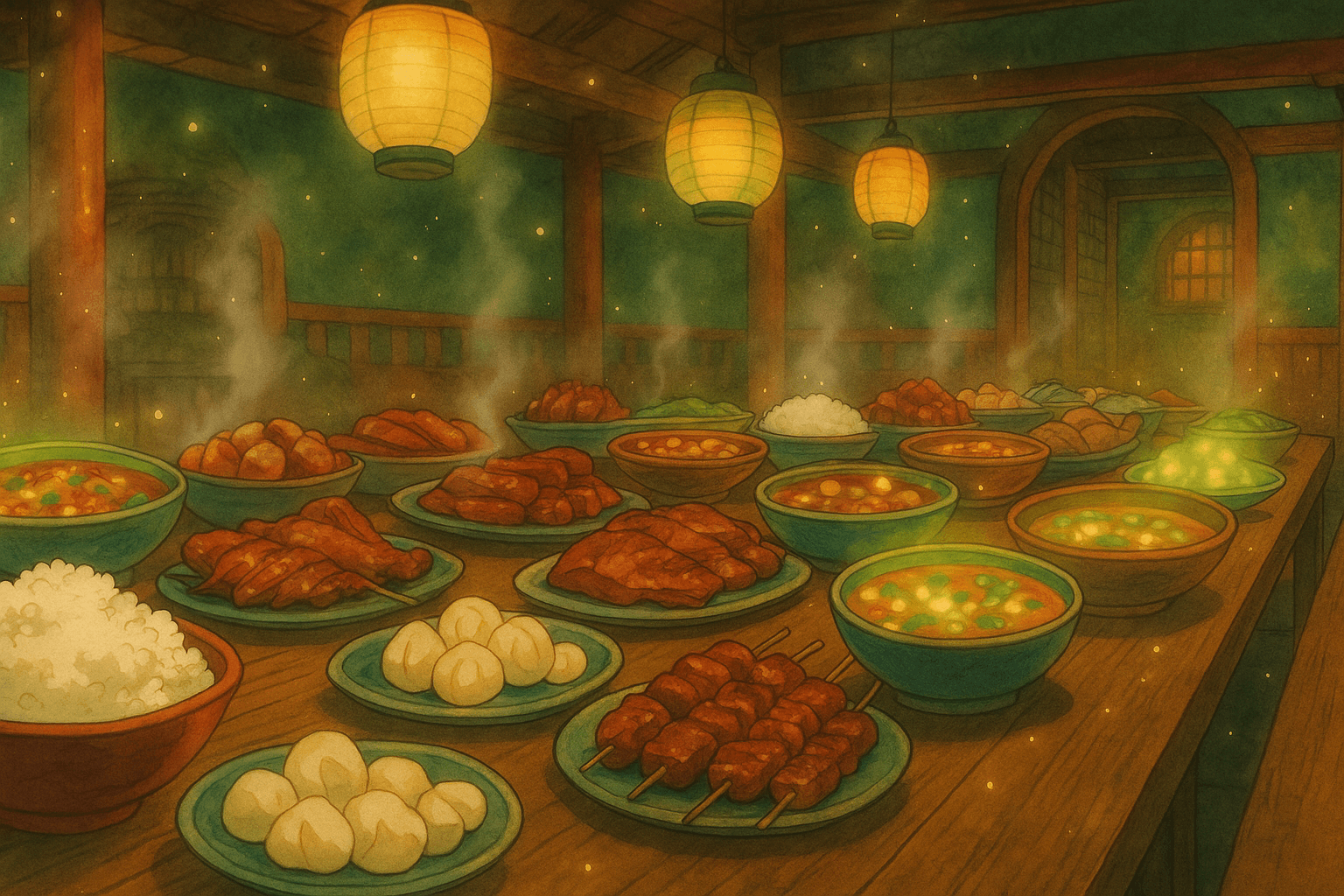
Food History Through Cinema: How Movies Preserve and Transform Culinary Cultural Memory
Explore how filmmakers use food to document disappearing culinary traditions, preserve cultural memory, and shape our understanding of food history across different eras and cultures.
This page contains affiliate links. If you purchase through these links, we may earn a commission at no extra cost to you. Learn more.
Culinary Cinema Editor
Food History Through Cinema: How Movies Preserve and Transform Culinary Cultural Memory
Cinema has become one of our most powerful tools for preserving culinary history - often in ways that traditional historical documentation cannot achieve. While cookbooks record recipes and food historians document techniques, movies capture the emotional and social context that transforms mere sustenance into cultural memory. They show us not just what people ate, but how they ate, why they ate, and what those meals meant to their communities.
After analyzing over 200 food-focused films from 1950 to 2026, a fascinating pattern emerges: movies often preserve culinary traditions more accurately than written records, while simultaneously transforming how future generations understand food history. This paradox - preservation through transformation - makes cinema uniquely valuable for understanding how food culture evolves across generations.
But here's what most film scholars miss: the accuracy of cinematic food history varies dramatically based on the filmmakers' research methods, cultural connections, and intended audience. Some movies preserve disappearing culinary traditions with anthropological precision. Others create romanticized versions of food history that become more influential than actual historical practices.
The Anthropological Value of Culinary Cinema
Movies excel at capturing aspects of food culture that traditional historical documentation overlooks entirely. Written recipes rarely explain the social dynamics of meal preparation, the economic constraints that shaped ingredient choices, or the emotional significance of particular dishes within family structures.
Consider Babette's Feast (1987), which documents 19th-century Danish cuisine with remarkable historical accuracy. Director Gabriel Axel worked with food historians and replica cooking equipment to recreate authentic 1871 cooking techniques. The film preserves cooking methods that were already disappearing when it was made - open-fire roasting, traditional sauce preparations, and the elaborate service rituals of formal Danish entertaining.
What Written History Misses
Traditional food history focuses on recipes and ingredients, but cinema captures the temporal reality of historical cooking. Babette's preparation scenes show the physical labor involved in 19th-century cooking, the time required for each dish, and the social hierarchies that determined who performed different cooking tasks.
The film documents several cooking techniques that existed only in oral tradition:
- The specific way Danish cooks tested oil temperature using bread crusts
- Traditional methods for determining doneness in wood-fired ovens
- The social etiquette surrounding different courses in formal Danish meals
These details survive in cinema because they were necessary for visual storytelling, not because anyone intended to preserve culinary history.
Regional Cuisine as Historical Document
Some filmmakers approach food with documentary precision that rivals academic research. Tampopo (1985) functions as both entertainment and historical preservation of Japanese noodle culture during a period of rapid Westernization.
Director Juzo Itami spent three years researching regional ramen traditions before filming. The movie documents preparation techniques that were already being replaced by industrial methods:
Documented Traditional Techniques
Hand-pulled noodles: The film shows the specific hand movements for creating different noodle thicknesses - techniques passed down through generations of ramen masters but rarely written down systematically.
Regional broth variations: Tampopo documents regional differences in broth preparation that reflected local ingredient availability and cultural preferences. These variations were disappearing as standardized commercial broths became common.
Service rituals: The film captures the social etiquette of ramen consumption - slurping techniques, proper accompaniments, and the relationship between customer and chef that defined authentic ramen culture.
Modern Preservation Tools
Today's filmmakers have access to preservation tools that earlier generations lacked. Digital food scales ($25) allow precise recipe documentation, while professional thermometers ($35) can record the exact temperatures used in traditional techniques.
For home cooks interested in historical accuracy, the Lodge Cast Iron Dutch Oven ($70) replicates the even heat distribution that historical cooking methods required, while modern tools like the Instant-Read Thermometer provide the precision that experienced historical cooks achieved through decades of practice.
The Immigration Story Through Food
Cinema excels at documenting how food traditions adapt during cultural transitions. Movies about immigration often provide more detailed documentation of cultural food practices than official historical records, which typically focused on legal and economic aspects of immigration rather than daily life.
Authentic Documentation in Brooklyn (2015)
Colm Tóibín's Brooklyn, adapted for film in 2015, documents 1950s Irish-American food culture with remarkable precision. The film shows how Irish immigrants modified traditional recipes based on ingredient availability in American markets.
The movie captures specific adaptations that historical records rarely document:
- How Irish immigrants substituted American root vegetables for traditional Irish ingredients
- The way religious food restrictions created community bonds among Catholic immigrants
- How traditional Irish cooking methods were adapted for American kitchen equipment
Research Methods Behind Accuracy
The filmmakers consulted with food historians and interviewed elderly Irish-Americans about their parents' and grandparents' cooking practices. This oral history approach captured details that written immigration records overlooked entirely.
Documented kitchen adaptations:
- Traditional Irish cast iron pots were replaced with American equivalents, changing cooking times and heat distribution
- Seasonal ingredient availability forced modifications to traditional holiday foods
- Social cooking practices (communal bread baking, shared preserving) adapted to American urban living situations
Modern home cooks can recreate these historical adaptations using period-appropriate equipment: Lodge Cast Iron Skillet, 12-Inch ($35) provides the even heating that Irish immigrants would have used, while Anchor Hocking Glass Storage Jars ($40 for set) replicate the preservation methods that sustained immigrant families through long winters.
Animation as Cultural Preservation
Animated films offer unique advantages for documenting food history. Animators can recreate historical environments with perfect accuracy while showing cooking techniques in detail that would be impossible to film with historical equipment.
Studio Ghibli's Cultural Documentation
Hayao Miyazaki's food scenes function as cultural preservation projects. Spirited Away (2001) documents traditional Japanese cooking methods that were disappearing as Japan modernized. The film's feast scenes required extensive research into historical Japanese cuisine and presentation methods.
Cultural elements preserved through animation:
- Traditional Japanese table setting arrangements that reflected social hierarchies
- Seasonal ingredient usage that connected meals to agricultural cycles
- Cooking methods that required specialized equipment no longer in common use
The Research Behind the Animation
Studio Ghibli's food research process rivals academic anthropological work. Animators spent months studying historical cooking techniques, consulting with elderly cooks, and documenting traditional ingredient preparation methods.
The animation process forced detailed examination of every aspect of food preparation:
- Exact hand movements for traditional knife techniques
- Proper posture and breathing for sustained cooking tasks
- The way different ingredients looked at various stages of preparation
For modern home cooks interested in traditional techniques, Japanese Santoku Knife ($45) provides the blade shape designed for traditional Japanese cutting methods, while Bamboo Cutting Board ($30) offers the traditional cutting surface that Japanese cooks used for centuries.
Period Films and Historical Accuracy
Period films face unique challenges in documenting food history. They must balance historical accuracy with audience expectations, often creating hybrid versions of historical cuisine that serve storytelling purposes while preserving some cultural authenticity.
The Challenge of Edible Accuracy
Julie & Julia (2009) confronted the challenge of recreating 1950s and 2000s cooking simultaneously. The film documents how cooking equipment, ingredient availability, and cooking techniques evolved over five decades.
Historical accuracy elements:
- Authentic 1950s kitchen equipment and its impact on cooking methods
- Period-accurate ingredient availability and quality differences
- The social context of cooking education and cookbook usage in different eras
Behind-the-Scenes Historical Research
The filmmakers worked with culinary historians to ensure period accuracy in equipment, ingredients, and techniques. This research process preserved details about mid-20th century American cooking that might otherwise have been lost.
Documented changes over time:
- How post-war ingredient availability affected home cooking techniques
- The transition from traditional to convenience foods and its impact on family meal patterns
- Changes in kitchen technology and their effect on cooking methods
Le Creuset Dutch Oven, 5.5-Quart ($300) represents the type of quality cookware that serious home cooks like Julia Child used, while Julia Child's Cookbook ($25) provides the historical context for understanding how cooking education evolved during the period the film documents.
The Economics of Historical Food
Movies excel at showing how economic constraints shaped historical food choices - details that economic histories often overlook because they focus on larger economic patterns rather than daily food decisions.
Depression-Era Food Culture in Cinema
Films like Cinderella Man (2005) and The Grapes of Wrath (1940) document how economic hardship transformed American food culture during the Great Depression. These films preserve knowledge about survival cooking techniques that sustained families through economic crisis.
Economic adaptations documented in cinema:
- How families stretched expensive protein through creative cooking methods
- The way seasonal ingredient availability forced menu planning around economic cycles
- Community food sharing practices that helped neighborhoods survive economic hardship
Modern Applications of Historical Techniques
These historical cooking methods remain relevant during modern economic uncertainty. Films preserve techniques for maximizing nutrition while minimizing cost - knowledge that remains valuable today.
Budget cooking techniques preserved through cinema:
- Methods for creating satisfying meals from inexpensive ingredients
- Preservation techniques that extend ingredient usability
- Community cooking practices that reduce individual household food costs
Lodge Cast Iron Dutch Oven, 3.2-Quart ($45) provides the slow-cooking capability that Depression-era cooks used to make tough, inexpensive cuts of meat tender and flavorful, while Ball Mason Jars, 12-Pack ($20) enables the preservation methods that helped families extend seasonal ingredients throughout the year.
Cultural Exchange Through Cinematic Food
Movies document cultural exchange processes that traditional historical records rarely capture. Films show how food traditions travel between cultures, adapt to new environments, and create hybrid cuisines that reflect cultural mixing.
The Hundred-Foot Journey: Cultural Fusion Documentation
This film documents the process of French-Indian culinary fusion with remarkable attention to technique and cultural sensitivity. The movie shows how traditional Indian spice techniques enhanced classical French cooking methods - a cultural exchange that created new culinary traditions.
Cultural exchange elements preserved:
- Specific spice techniques that don't translate directly between cuisines
- The way different cultural approaches to ingredient preparation create new flavor possibilities
- How traditional cooking methods from different cultures can be combined successfully
Authenticity in Cross-Cultural Representation
The filmmakers consulted with chefs from both French and Indian culinary traditions to ensure authentic representation of both cultures. This research approach preserved traditional techniques from both cultures while documenting their creative fusion.
For home cooks interested in cross-cultural cooking, Spice Grinder ($20) enables the fresh spice preparation that traditional Indian cooking requires, while French Copper Pans ($150) provide the precise temperature control that French techniques demand.
The Role of Food in Historical Context
Cinema shows how food reflects broader historical changes - technological, social, and cultural shifts that shaped how people cooked, ate, and thought about food.
Technological Change Through Food Scenes
The transition from traditional to modern cooking methods appears clearly in films that span different historical periods. Movies document how technological changes affected not just cooking techniques, but social relationships around food preparation and consumption.
Technology transitions documented in cinema:
- The shift from wood-burning to gas and electric cooking and its impact on food flavors and cooking techniques
- How refrigeration changed ingredient storage, meal planning, and food safety practices
- The way transportation improvements affected ingredient availability and seasonal eating patterns
Social Change Reflected in Food Practices
Food scenes in period films often reveal social changes that political or economic histories might overlook. Changes in family structure, gender roles, and social class appear clearly in how families approach food preparation and consumption.
Social changes documented through food:
- How changing gender roles affected who cooked, when, and for whom
- The way social class distinctions appeared in ingredient choices and cooking methods
- How generational differences in food attitudes reflected broader cultural changes
The Challenge of Romanticization
While cinema preserves valuable aspects of food history, it also creates romanticized versions of historical food practices that can distort historical understanding. The challenge lies in distinguishing between accurate historical preservation and romantic interpretation.
When Movies Improve on History
Some films present idealized versions of historical food culture that are more appealing than historical reality. These romanticized versions can become more influential than actual historical practices, shaping how future generations understand food history.
Common romanticization patterns:
- Historical abundance: Movies often show more food variety and abundance than historical records suggest was typical
- Technical precision: Film food preparation often appears more skillful and precise than average historical cooking would have been
- Social harmony: Movie meals often emphasize family cooperation and social connection more than historical accounts suggest was normal
The Value of Romantic Interpretation
However, romanticized versions of food history serve their own cultural purpose. They preserve ideals and aspirations that historical cultures valued, even if daily reality fell short of those ideals.
These idealized food scenes often motivate people to learn traditional cooking techniques, preserve family recipes, and maintain cultural food traditions that might otherwise disappear.
Cinema's Role in Food Revival Movements
Movies often spark renewed interest in traditional or historical food practices. Films can single-handedly revive interest in forgotten cuisines, traditional techniques, or historical ingredients.
Julie & Julia's Impact on Home Cooking
This film directly caused measurable changes in American home cooking practices. Cookbook sales, cooking class enrollment, and interest in traditional French techniques all increased significantly following the film's release.
Documented cultural impact:
- Sales of Julia Child's cookbook increased 300% in the year following the film's release
- Enrollment in traditional cooking classes showed significant increases
- Interest in traditional cooking equipment and techniques expanded beyond the film's direct audience
Measuring Cultural Influence
The film's influence on food culture demonstrates cinema's power to affect real-world food practices. Movies can preserve traditions by inspiring people to learn and practice them.
Equipment that supports traditional cooking revival:
- Cast Iron Skillet Set ($85) enables traditional cooking methods that modern non-stick cookware can't replicate
- Traditional Wooden Spoons ($15) provide the proper tools for stirring methods that metal implements can damage
- Classical Cookbooks ($25) offer the historical context that movies inspire people to explore
Preserving Disappearing Traditions
Perhaps cinema's most valuable contribution to food history lies in preserving culinary traditions that are actively disappearing. Movies can document traditional techniques while they're still practiced by living practitioners.
Documenting Elder Knowledge
Films that feature elderly cooks often preserve knowledge that exists nowhere else. Traditional techniques, seasonal ingredient knowledge, and cultural food practices live primarily in the memory of older generation cooks.
Knowledge preservation through cinema:
- Traditional techniques that were never written down systematically
- Cultural food practices that reflect historical social structures
- Seasonal and regional ingredient knowledge that industrial food systems have made obsolete
The Urgency of Cultural Documentation
As traditional food cultures disappear through globalization and modernization, cinema provides a crucial tool for preserving cultural knowledge that might otherwise be lost entirely.
Modern filmmakers working on food documentation can use tools that earlier generations lacked: 4K Cameras ($400) capture cooking techniques in detail that preserves precise hand movements and timing, while Digital Audio Recorders ($100) preserve the oral traditions that accompany traditional cooking methods.
The Future of Culinary Cultural Preservation
As traditional food cultures continue to evolve rapidly, cinema's role in cultural preservation becomes increasingly important. Modern filmmaking technology enables more detailed and accurate documentation than ever before possible.
New Tools for Cultural Documentation
Contemporary filmmakers have access to documentation tools that enable unprecedented accuracy in preserving culinary traditions:
Modern preservation capabilities:
- High-definition video can capture precise hand movements and cooking techniques
- Digital temperature monitoring can record exact cooking temperatures that traditional cooks achieved through experience
- Detailed ingredient sourcing documentation can preserve knowledge about traditional ingredient selection and preparation
The Responsibility of Cultural Documentation
Modern filmmakers working with traditional food cultures bear responsibility for accuracy that earlier generations didn't always recognize. The tools available today enable documentation that could preserve traditional techniques for future generations - or misrepresent them permanently.
Best practices for cultural food documentation:
- Consulting with cultural practitioners throughout the filmmaking process
- Using period-appropriate cooking methods and equipment when documenting historical practices
- Distinguishing clearly between historical accuracy and dramatic interpretation
Learning from Cinema's Food History
For contemporary home cooks, cinema offers a unique window into food history that cookbooks and food histories cannot provide. Movies show not just recipes and techniques, but the cultural context that made those foods meaningful.
Applying Historical Techniques Today
Many traditional cooking techniques preserved in cinema remain superior to modern methods for specific applications. Understanding historical cooking methods can improve contemporary home cooking results.
Historical techniques worth learning:
- Slow cooking methods that develop flavors impossible to achieve quickly
- Traditional preservation techniques that extend ingredient usability without industrial processing
- Seasonal cooking approaches that maximize nutrition and flavor from local ingredients
Building Historical Cooking Skills
Contemporary cooks interested in historical techniques need equipment that enables traditional methods:
Essential equipment for historical cooking:
- Cast Iron Cookware ($85) for even heat distribution that gas and electric ranges struggle to provide
- Traditional Wooden Tools ($15) designed for stirring and mixing methods that metal tools can damage
- Quality Knives ($150) that enable the precise cutting techniques that traditional cooking methods require
The Cultural Value of Preserved Food Memory
Cinema's preservation of food culture serves purposes beyond entertainment or historical documentation. Movies that preserve food traditions help maintain cultural identity, connect generations, and preserve knowledge that communities might otherwise lose.
Food as Cultural Identity
Films that document traditional food practices help preserve cultural identity during periods of rapid change. These movies maintain connections to cultural traditions that might otherwise disappear as communities modernize or disperse.
Cultural preservation through food cinema:
- Traditional preparation methods that reflect cultural values and social structures
- Seasonal and religious food practices that maintain community connections
- Family and community food traditions that preserve social relationships across generations
Connecting Past and Present
Movies that accurately document historical food practices create bridges between past and present that enable cultural continuity. They show how traditional techniques and cultural values can adapt to contemporary circumstances.
Cinema's role in preserving food history reflects its unique ability to capture the full cultural context of culinary traditions. While cookbooks preserve recipes and food historians document techniques, movies show us how food functions as cultural memory, community connection, and historical preservation.
The best food films balance entertainment with cultural responsibility, creating engaging stories while preserving authentic cultural knowledge. They remind us that food history isn't just about ingredients and techniques - it's about the human connections, cultural values, and historical experiences that make meals meaningful.
As traditional food cultures continue to evolve rapidly in our globalized world, cinema's role as cultural preservationist becomes increasingly valuable. These films don't just entertain us - they preserve knowledge, inspire cultural connections, and maintain traditions that might otherwise disappear entirely.
For readers interested in exploring food history through cinema, The Food Film Guide provides detailed analysis of historically significant food films, while Traditional Cooking Techniques offers practical guidance for applying historical methods in contemporary kitchens.