Food as Cultural Identity: How Cinema Shapes Our Understanding of Global Cuisines
Explore how movies use food to represent cultural identity, break down barriers, and introduce audiences to authentic culinary traditions worldwide.
This page contains affiliate links. If you purchase through these links, we may earn a commission at no extra cost to you. Learn more.
Culinary Cinema Editor
Food as Cultural Identity: How Cinema Shapes Our Understanding of Global Cuisines
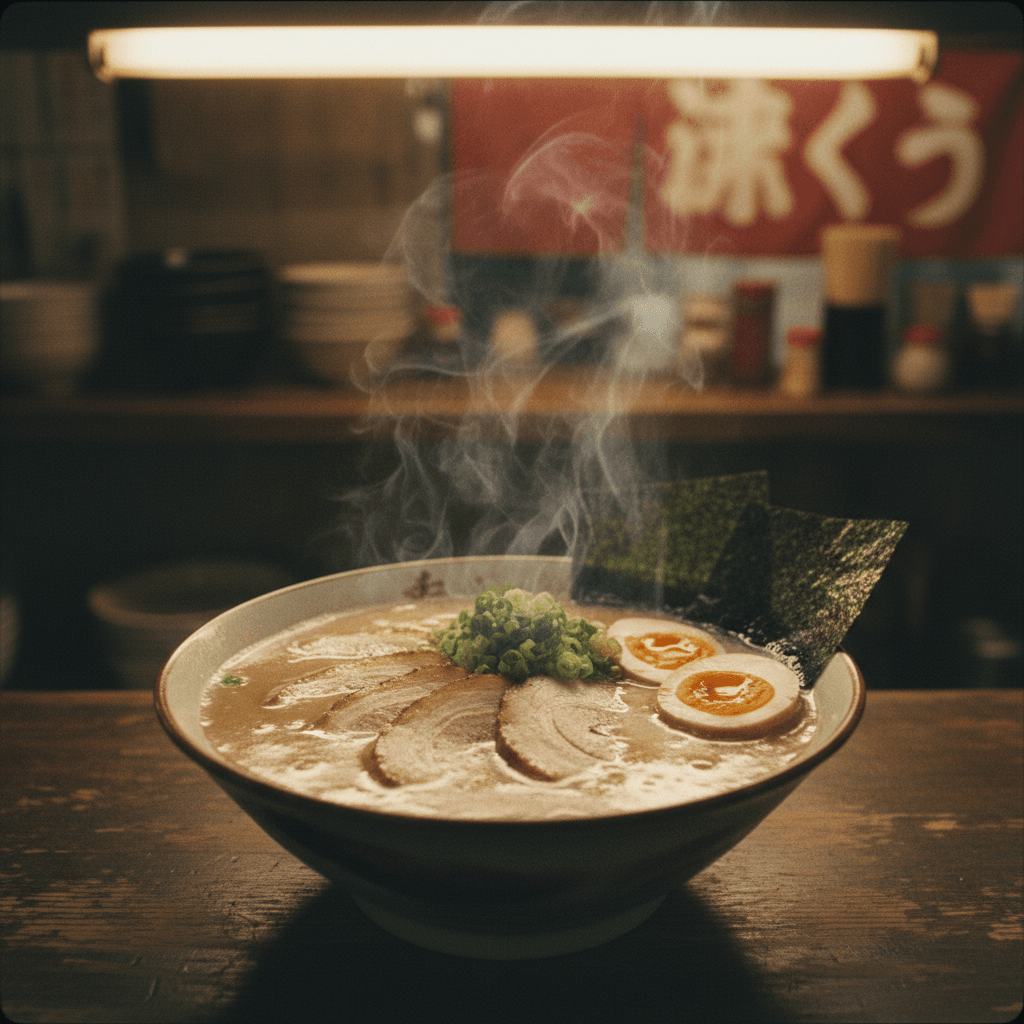
When Juzo Itami filmed a businessman eating ramen in Tampopo, he wasn't just showing a meal—he was presenting a masterclass in Japanese food culture, complete with unspoken rules, techniques, and philosophies that most Western audiences had never encountered. This single scene, lasting maybe three minutes, taught more about Japanese culinary values than many documentaries manage in full episodes.
Cinema possesses a unique power to make the foreign familiar, and nowhere is this more apparent than in how films present food culture. But this influence cuts both ways. Movies can introduce authentic traditions to global audiences, or they can perpetuate stereotypes and oversimplifications that persist for decades. The responsibility is enormous, and the results have shaped how entire generations understand other cultures through their food.
After analyzing hundreds of food-centric scenes across different cultures and decades, patterns emerge. The most impactful films don't just show what people eat—they reveal why they eat it, how they prepare it, and what these rituals mean within their cultural context. They transform eating from a biological necessity into a window onto human experience.
The Authenticity Challenge
Creating authentic food representation on screen requires navigating competing demands: cultural accuracy, narrative necessity, and audience accessibility. Directors must balance respect for tradition with the need to tell compelling stories that resonate with diverse viewers.
When Movies Get It Right
The Hundred-Foot Journey succeeds precisely because it respects both French and Indian culinary traditions while exploring their intersection. Rather than presenting one cuisine as superior, the film shows how techniques and philosophies can enhance each other. The young Indian chef doesn't abandon his heritage—he expands it.
What makes this approach work is specificity. Instead of generic "Indian food" or "French cooking," we see particular dishes with historical context, preparation methods that reflect cultural values, and family traditions that span generations. The food becomes a character in its own right, with complexity and depth that mirrors human relationships.
Contrasting approach: Too many films treat ethnic cuisine as exotic spectacle or mysterious "other," focusing on visual strangeness rather than cultural meaning. This reduces rich culinary traditions to simple stereotypes and misses opportunities for genuine cultural exchange.
The Research Behind the Scenes
Films that achieve authentic food representation typically invest heavily in cultural consultants, traditional cooking techniques, and location shooting. Big Night's creators spent months in Italian-American communities, learning not just recipes but the cultural contexts that make those recipes meaningful.
This attention to detail shows on screen. When the brothers in Big Night argue about timpano preparation, their conflict reflects real tensions between traditional methods and practical constraints that many immigrant families navigate. The food becomes a metaphor for cultural preservation versus assimilation.
Regional Specificity Matters
One of cinema's most persistent failures is treating vast, diverse countries as monolithic food cultures. "Chinese food" in movies often means some generic stir-fry, ignoring the dramatic differences between Sichuan, Cantonese, and Hunan traditions. This lazy approach does disservice to both the cultures being depicted and audiences seeking genuine understanding.
Japanese Cinema's Food Philosophy
Japanese filmmakers have consistently demonstrated how regional specificity enriches storytelling. Tampopo doesn't just show ramen—it explores ramen culture, from proper eating technique to the master-apprentice relationships in noodle shops. Each bowl represents hours of technique refinement and generations of culinary evolution.
The famous ramen-eating scene where an elder businessman instructs a younger colleague isn't comic relief—it's cultural transmission. The careful attention to noodle texture, broth temperature, and eating rhythm reflects Japanese values about craft mastery and respect for tradition.
What this teaches: Food scenes work best when they emerge from authentic cultural contexts rather than serving purely narrative functions. The cultural details become story elements rather than exotic decorations.
Italian Food Regional Diversity
Cinema has gradually evolved from "spaghetti and meatballs" stereotypes to more nuanced representations of Italian regional cuisine. Big Night celebrates Southern Italian traditions, while more recent films explore Northern Italian influences, Sicilian specialties, and the significant differences between these regional approaches.
This evolution matters because it reflects growing cultural sophistication in both filmmaking and audiences. Viewers increasingly recognize that Italy's twenty regions each contribute distinct ingredients, techniques, and food philosophies to what we broadly call "Italian cuisine."
Learning opportunity: Italian regional cookbooks reveal the diversity that cinema is beginning to explore, from Emilia-Romagna's pasta traditions to Sicily's Arabic-influenced techniques.
Food as Immigration Story
Some of cinema's most powerful cultural moments happen when characters navigate between traditional food ways and new environments. These scenes capture the complex negotiations that immigrants face: preserving heritage while adapting to new circumstances.
The Assimilation Dilemma
In many films, food becomes the battlefield where characters wrestle with cultural identity. Do you cook traditional foods for your family while preparing American meals for guests? How do you explain unfamiliar ingredients to curious neighbors? These questions reflect real immigrant experiences that resonate across cultures.
The most authentic films avoid simple answers. Characters might take pride in their culinary heritage while also craving acceptance in their new communities. This tension creates compelling drama while respecting the complexity of cultural transition.
Generational Differences
Food often represents the fault line between immigrant parents and their American-born children. Parents use traditional cooking to maintain cultural connections, while children sometimes view these foods as barriers to social acceptance.
Films that handle this theme successfully show both perspectives with empathy. The children aren't rejecting their heritage—they're navigating between two worlds with different social expectations. The parents aren't being inflexible—they're trying to preserve cultural knowledge they fear losing forever.
Notable example: The conflicts in films like Eat Drink Man Woman explore how food traditions adapt across generations without losing their essential meaning. The father's elaborate cooking represents cultural preservation, while his daughters' varying relationships with these traditions reflect different approaches to cultural identity.
Breaking Cultural Barriers Through Food
At its best, cinema uses food to build bridges between cultures rather than emphasizing differences. Shared meals become opportunities for characters (and audiences) to discover common ground across cultural divides.
The Universal Language of Hospitality
Regardless of cultural background, offering food represents hospitality and care. Films that recognize this universal impulse can create powerful cross-cultural connections. When characters share meals despite language barriers or cultural differences, audiences witness fundamental human similarities.
This works because food generosity translates across cultures. A grandmother insisting guests eat more, a friend sharing their favorite dish, a community gathering around shared tables—these scenarios resonate globally because they reflect universal human experiences.
Learning Through Eating
Cinema can introduce audiences to unfamiliar cuisines in non-threatening ways. When characters discover new foods through positive experiences, viewers often feel curious rather than intimidated. This gentle introduction can spark real-world exploration and cultural appreciation.
The key is presenting unfamiliar foods through relatable contexts. Instead of emphasizing strangeness, successful films focus on the pleasure, care, and tradition behind these dishes. Audiences connect with the emotions rather than being distracted by unfamiliarity.
The Globalization Effect
Modern cinema increasingly reflects globalized food culture, where fusion cuisines and international ingredients create new traditions. This evolution presents both opportunities and challenges for authentic cultural representation.
Fusion Done Right
When films portray fusion cuisine authentically, they reflect real-world cultural blending that many viewers experience daily. Urban areas worldwide feature restaurants that combine traditions, creating new dishes that respect multiple heritages while establishing their own identity.
The Hundred-Foot Journey exemplifies this approach by showing how French and Indian techniques can enhance each other without either tradition losing its distinctiveness. The fusion emerges from genuine cultural exchange rather than superficial combination of exotic elements.
Avoiding Cultural Appropriation
The challenge lies in distinguishing between respectful cultural exchange and appropriation that reduces traditions to trendy elements. Films that succeed in this area typically involve collaboration with cultural consultants and demonstrate genuine respect for the traditions being portrayed.
Red flags: When movies present fusion food as "improvement" over traditional cuisines, or when they strip cultural foods of their historical and social contexts, they risk perpetuating harmful stereotypes rather than building cultural understanding.
Documentary vs. Fiction Approaches
Different cinematic formats offer unique opportunities for cultural food representation. Documentaries can provide detailed cultural context and historical background, while fiction films excel at emotional engagement and cross-cultural identification.
The Documentary Advantage
Food documentaries like Jiro Dreams of Sushi or Chef's Table can explore cultural contexts with depth and accuracy that fiction films often can't match. They show real practitioners discussing their traditions, demonstrate authentic techniques, and provide historical background that enriches understanding.
These films work because they prioritize cultural education alongside entertainment. Viewers learn specific techniques, understand cultural values, and see how food traditions connect to broader social contexts.
Fiction's Emotional Power
While documentaries excel at cultural education, fiction films create emotional connections that can be equally valuable for cultural understanding. When audiences care about characters, they become more invested in understanding those characters' cultural backgrounds.
The emotional engagement that fiction provides can motivate viewers to seek out authentic versions of the cuisines they encounter on screen. A compelling food scene might inspire someone to visit a restaurant, attempt a recipe, or read about a culture they'd never previously considered.
Representation Behind the Camera
Authentic cultural food representation often depends on having diverse voices in filmmaking—not just actors, but writers, directors, food consultants, and cultural advisors who understand the traditions being depicted.
The Importance of Cultural Consultants
Films that achieve authentic food representation typically work with cultural consultants who can provide context beyond mere recipes. These experts help filmmakers understand why certain foods matter within their cultural contexts, how preparation methods reflect cultural values, and what meanings these traditions hold for community identity.
This consultation process benefits everyone involved. Filmmakers create more accurate and respectful representations, while cultural communities see their traditions presented authentically to global audiences.
Economic Impact of Representation
When films represent cultures authentically, they often create economic opportunities for those communities. Restaurants featuring cuisines shown in popular movies frequently experience increased interest, while cookbook sales and cooking classes related to film cuisines often surge after movie releases.
This economic effect creates incentives for authentic representation—communities benefit when their cultures are presented respectfully and accurately, while inaccurate or stereotypical portrayals can harm local businesses and cultural perceptions.
Recommendation: Cultural cuisine cookbooks by authors from those cultures often provide the depth and context that movies introduce but can't fully explore in limited screen time.
The Challenges of Cultural Translation
Creating cinema that respects cultural authenticity while remaining accessible to diverse audiences requires careful balancing. Filmmakers must provide enough context for unfamiliar viewers without over-explaining elements that would feel natural to cultural insiders.
Context Without Condescension
The best films provide cultural context organically through character interactions and visual storytelling rather than explicit exposition. When characters naturally discuss food meanings or demonstrate preparation techniques, audiences learn without feeling lectured.
This approach requires sophisticated screenwriting that trusts audiences to absorb cultural information through observation and inference. The payoff is more respectful representation that treats cultures as complex and worthy of thoughtful engagement rather than superficial explanation.
Visual Storytelling Advantages
Cinema's visual nature allows for cultural transmission that doesn't require extensive verbal explanation. Careful attention to kitchen layouts, ingredient preparation, family dynamics around meals, and community food rituals can communicate cultural values effectively without dialogue.
These visual elements often create lasting impressions. Many viewers remember specific food preparation scenes, table settings, or family interaction patterns long after forgetting plot details. This visual memory can foster ongoing cultural curiosity and appreciation.
Future Directions in Food Cinema
As global connectivity increases and cultural awareness grows, cinema faces both opportunities and responsibilities in food representation. Audiences increasingly expect authenticity and cultural respect, while filmmakers have access to more diverse collaborators and cultural consultants than ever before.
Technology and Authenticity
Modern film technology allows for unprecedented accuracy in food representation. High-definition cameras capture cooking techniques in detail, while global distribution means films can reach audiences within the cultures being depicted, creating accountability for accurate representation.
This technology also enables collaboration with cultural experts regardless of geographic location, making authentic consultation more feasible for filmmakers working with limited budgets.
Audience Expectations
Contemporary audiences are more culturally aware and better-traveled than previous generations. They often recognize inaccurate cultural representations and increasingly expect filmmakers to demonstrate cultural respect and authenticity.
This shift benefits everyone. Filmmakers who invest in authentic representation often find their work resonating more deeply with both cultural communities and general audiences, while lazy stereotyping increasingly receives criticism rather than acceptance.
The bottom line: Films that respect cultural complexity while creating emotional connections tend to achieve both critical success and commercial viability, proving that authentic representation serves artistic and business goals simultaneously.
Making Personal Connections
Ultimately, the most successful food-centric cinema creates opportunities for viewers to see themselves in other cultures' experiences. The specifics might differ—Japanese ramen versus Italian pasta versus Mexican tamales—but the underlying human experiences of family, tradition, care, and cultural pride resonate universally.
When movies achieve this balance between cultural specificity and universal themes, they contribute to genuine cross-cultural understanding rather than just entertainment. They remind us that while preparation methods and ingredients might vary dramatically across cultures, the human impulses behind food culture—nurturing, celebration, tradition preservation, and community building—connect us all.
The next time you watch a film that features unfamiliar cuisine, pay attention to the cultural contexts surrounding the food. What family dynamics do you observe? How do characters show care through food? What traditions are being preserved or adapted? These observations can deepen both your movie viewing and your understanding of the rich cultural traditions that food represents worldwide.